
Further (Māori: kō atu) in New Zealand Sign Language (NZSL)
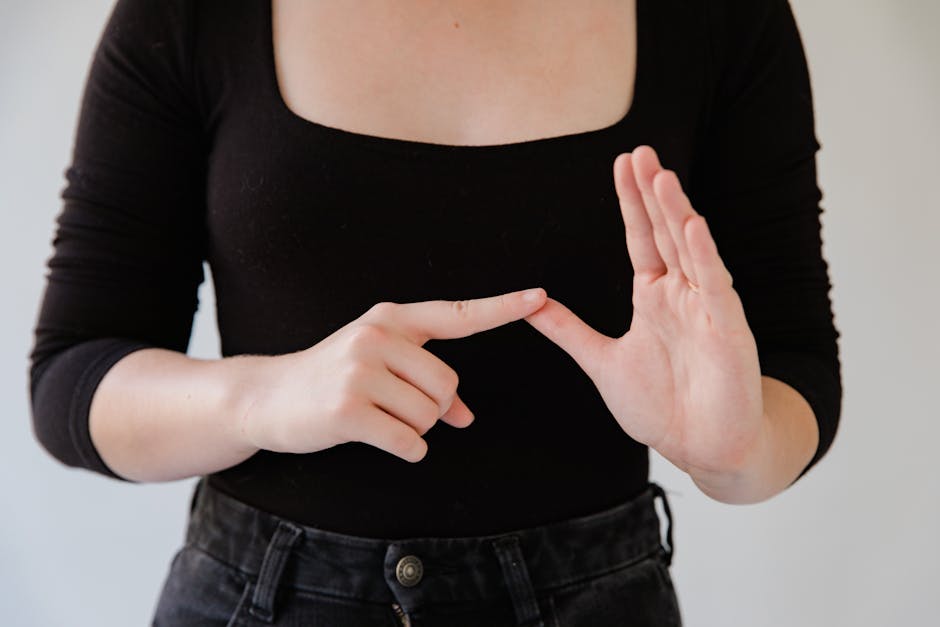
The sign “furtherkō atu” is used in NZSL to express the idea of moving further away or extending in distance. It is commonly used in conversations about travel, directions, or when discussing concepts that extend beyond the current situation. This sign reflects a unique aspect of NZSL and its connection to the Deaf community in New Zealand.
Table of Contents
How to Sign “Furtherkō Atuadverb” in NZSL
- Start with your dominant hand in a flat handshape (like a ‘B’ handshape) with fingers extended and together.
- Position your hand in front of your body, about waist height.
- With a firm movement, push your hand slightly forward and away from your body.
- As you move your hand away, maintain a focused and slightly raised eyebrow expression to indicate the intent of moving further.
- Finish by bringing the hand back to the starting position or allowing it to rest at your side.
Common Mistakes
- Forgetting to maintain the correct handshape, which can lead to confusion with similar signs.
- Not using appropriate facial expressions, which are crucial for conveying the meaning of the sign.
- Overextending the movement, which can make the sign look exaggerated and unclear.
NZSL vs ASL
In NZSL, “furtherkō atu” emphasizes the direction and distance of movement, while in ASL, the equivalent sign may focus more on the concept of “more” or “beyond” without the same emphasis on physical movement away from the signer. This highlights the unique cultural and linguistic features of NZSL.
Related Signs
- (All Of) You
- (Baby’s) Dummy
- (Be) Careful
Frequently Asked Questions
How do I use “furtherkō atu” in a sentence?
You can use “furtherkō atu” to indicate that something is located at a greater distance, such as “The shop is further away,” which would be signed with the appropriate context and facial expressions.
Are there regional variations for this sign in New Zealand?
While “furtherkō atu” is widely understood, some regions may have slight variations in movement or handshape. It’s best to observe local users to learn these nuances.
What are some similar signs to “furtherkō atu”?
Similar signs may include those indicating distance or location, such as “near” or “far,” which can help clarify context in conversation.
What learning tips do you recommend for mastering this sign?
Practice in front of a mirror to check handshape and movement. Watching fluent NZSL users can also help you gain confidence and accuracy.
Can I use “furtherkō atu” in casual conversation?
Absolutely! This sign is suitable for both casual and formal settings when discussing distances or locations.
Is there a specific context where this sign is more common?
This sign is especially common in travel discussions, directions, or when talking about topics that involve extending beyond the immediate area.
Practice This Sign
Try signing Furtherkō Atuadverb with your camera and get AI coaching on your handshape, movement, and location.
Free · No signup required