
Finish, Then in New Zealand Sign Language (NZSL)

The sign “finish, then” is used to indicate the completion of one action before moving on to another. It helps to clarify the sequence of events in conversations within the New Zealand Deaf community, allowing for clear communication about what happens next. This sign is especially useful in storytelling or when outlining plans.
Table of Contents
How to Sign “Finish, Then” in NZSL
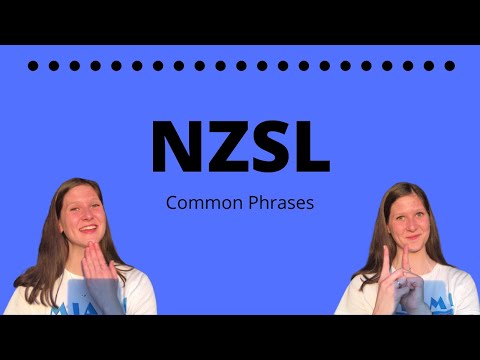
- Start with your dominant hand in a flat ‘5‘ shape, fingers extended and together.
- Position your hand in front of your chest, palm facing away from you.
- Move your hand forward and slightly downwards, as if you are pushing away something that is finished.
- After this movement, transition to your non-dominant hand, which should be in a flat ‘5‘ shape as well.
- Place your non-dominant hand in front of your chest, palm facing up, and then gesture forward with your dominant hand to indicate what comes next.
- Maintain a neutral facial expression as you sign, but add a slight nod when indicating ‘then’ to show progression.
Common Mistakes
- Forgetting to make the transition between signs, which can confuse the sequence of actions.
- Using an incorrect handshape, as the flat ‘5‘ is crucial for clarity.
- Neglecting facial expressions, which play an important role in conveying the meaning of the sign.
NZSL vs ASL
In NZSL, the sign “finish, then” often combines elements that reflect local cultural nuances. In contrast, ASL may use different handshapes and movements for this sign, reflecting its own linguistic structure. While both signs convey similar meanings, the specific gestures and facial expressions may vary significantly.
Related Signs
- (All Of) You
- (Baby’s) Dummy
- (Be) Careful
Frequently Asked Questions
How can I use “finish, then” in a sentence?
You can say, “I finish work, then I go home,” by using the signs for each action in order.
Are there regional variations of this sign in New Zealand?
While “finish, then” is generally consistent, some regions may have slight variations in movement or facial expression.
What are some similar signs in NZSL?
Similar signs include “after” and “next,” which also relate to sequencing actions.
Do I need to use facial expressions while signing?
Yes! Facial expressions help convey the meaning and emotion behind the signs, making communication clearer.
What tips do you have for learning NZSL?
Practice regularly, watch native signers, and engage with the Deaf community to improve your skills.
Can I use “finish, then” in informal settings?
Absolutely! This sign is versatile and appropriate for both casual and formal conversations.
Practice This Sign
Try signing Finish, Then with your camera and get AI coaching on your handshape, movement, and location.
Free · No signup required