
Frozen, Ice in New Zealand Sign Language (NZSL)

The sign for “frozen” or “ice” in NZSL represents the state of being frozen, commonly used when discussing cold weather, beverages, or winter activities. This sign is integral to everyday conversations in the Deaf community, especially during the colder months or when referring to ice-related topics.
Table of Contents
How to Sign “Frozen, Ice” in NZSL
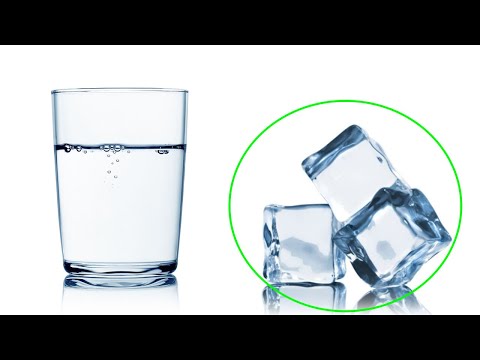
- Start with both hands in a flat ‘B‘ handshape (palm facing down).
- Position your hands close together in front of your chest.
- Move your hands outward and slightly downward while shaking them gently, mimicking the sensation of cold or ice.
- Maintain a facial expression that conveys the sensation of cold, perhaps by slightly squinting your eyes or shivering.
Common Mistakes
- Forgetting to use facial expressions, which are crucial in NZSL for conveying emotions and context.
- Not keeping the hands close together, which may lead to a different sign or confusion.
- Using the wrong handshape; ensure you use a flat ‘B‘ handshape throughout the sign.
NZSL vs ASL
In NZSL, the sign for “frozen” or “ice” is distinct from ASL. While ASL may use a different handshape or movement, NZSL emphasizes the sensation of cold through specific hand movements and facial expressions that reflect the experience of ice.
Related Signs
- (Be) Careful – A sign to indicate caution, often used in contexts involving slippery surfaces.
- (Be) Passive – This sign can relate to situations where one is inactive, potentially in cold conditions.
- (All Of) You – Useful in group discussions about activities involving ice or winter.
Frequently Asked Questions
How can I use “frozen” in a sentence in NZSL?
You can use the sign in a sentence like “The water is frozen,” by signing “WATER” followed by “FROZEN.”
Are there regional variations of this sign in New Zealand?
While the sign is generally consistent across New Zealand, some regions may have subtle variations in movement or expression.
What are similar signs to “frozen” or “ice”?
Signs like “COLD” or “SNOW” are closely related and often used in similar contexts.
What tips do you have for learning this sign?
Practice in front of a mirror to observe your handshape and facial expressions; consider recording yourself to review.
Can I use this sign in everyday conversation?
Absolutely! It’s commonly used in conversations about the weather, drinks, and seasonal activities.
What cultural aspects should I consider when using this sign?
Be mindful of the context and the feelings associated with cold weather, especially for those who may not enjoy it.
Practice This Sign
Try signing Frozen, Ice with your camera and get AI coaching on your handshape, movement, and location.
Free · No signup required