
Eye in New Zealand Sign Language (NZSL)
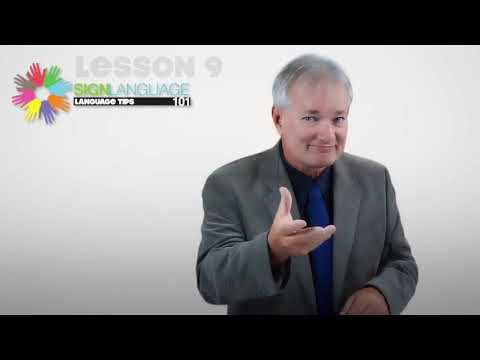
The sign for “eye” in NZSL is a fundamental sign that represents the organ of sight. It is commonly used in everyday conversations, especially when discussing vision, perception, or even emotions related to seeing. This sign is an essential part of the vocabulary for both Deaf and hearing individuals in the New Zealand Deaf community.
Table of Contents
How to Sign “Eye” in NZSL
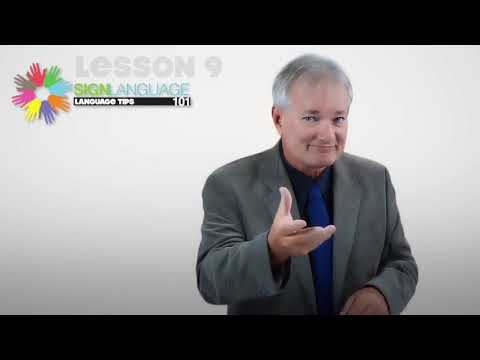
- Start with your dominant hand in a flat ‘O’ handshape (fingers together, thumb tucked in).
- Position your hand near your eye, with the palm facing you.
- Move your hand slightly away from your eye, maintaining the same handshape.
- As you perform the movement, maintain a neutral facial expression, but you can also incorporate a slight raise of your eyebrows to indicate curiosity or focus.
Common Mistakes
- Using the wrong handshape, such as a flat hand instead of an ‘O’ handshape.
- Not keeping the hand close to the eye during the sign, which can lead to confusion with other signs.
- Forgetting to use facial expressions, which are an important part of NZSL communication.
NZSL vs ASL
In NZSL, the sign for “eye” uses a distinct ‘O’ handshape and placement near the eye, while in ASL (American Sign Language), the sign is made with the index finger pointing directly at the eye. This highlights the unique features of NZSL influenced by its own cultural context and history.
Related Signs
- Ear – Represents the organ of hearing.
- Look – Used to indicate the action of looking or seeing.
- See – Refers to the act of perceiving with the eyes.
- Watch – Signifying the act of observing something closely.
Frequently Asked Questions
How can I use “eye” in a sentence?
You can use “eye” in sentences like “I see with my eye” by signing “I” followed by “see” and then “eye”.
Are there regional variations for this sign in New Zealand?
The sign for “eye” is generally consistent across New Zealand, but some regions may have slight variations in speed or facial expressions used.
What are similar signs to “eye”?
Related signs include “look” and “see,” which are both about visual perception but have different handshapes and movements.
What tips can help me learn this sign effectively?
Practice in front of a mirror to check your handshape and facial expressions, and try to incorporate the sign into everyday conversations.
Can I use “eye” when talking about emotions?
Yes, you can use “eye” to express emotions related to sight, such as surprise or joy, by adjusting your facial expressions accordingly.
Is “eye” used differently in NZSL compared to spoken language?
Yes, NZSL relies heavily on visual cues like handshape and facial expressions, which can convey meaning differently than spoken language.
Practice This Sign
Try signing Eye with your camera and get AI coaching on your handshape, movement, and location.
Free · No signup required