
Excuse in New Zealand Sign Language (NZSL)
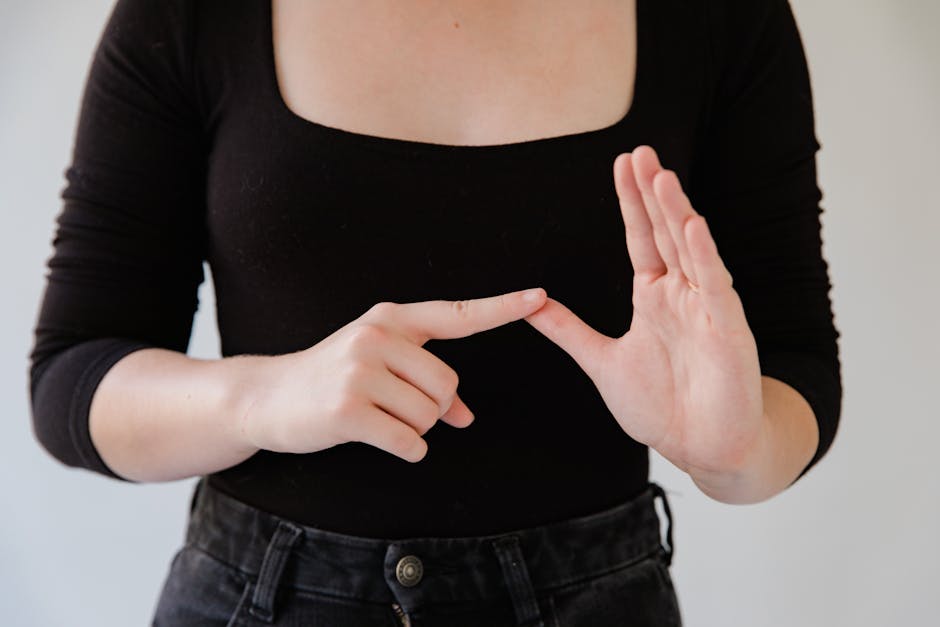
The sign “excuse metaihoaphrase” is used in the New Zealand Deaf community to politely request attention or to ask for a moment of someone’s time. This sign promotes respect and consideration during conversations, especially in group settings where interruptions may occur. It reflects the value of communication within the community.
Table of Contents
How to Sign “Excuse Metaihoaphrase” in NZSL
- Start with your dominant hand in a flat handshape (like a ‘B‘ handshape) with your palm facing the person you are addressing.
- Position your hand near your mouth and then move it slightly away from your face, indicating a request for attention.
- Maintain a friendly and polite facial expression, as this adds to the meaning of the sign.
- Optionally, you can nod your head slightly as you make the sign to emphasize your request.
Common Mistakes
- Some learners may forget to use an appropriate facial expression, which is crucial for conveying politeness in NZSL.
- Using an incorrect handshape, such as a fist instead of a flat hand, can change the meaning of the sign.
- Not placing the hand close enough to the face may lead to confusion about the intention of the sign.
NZSL vs ASL
In NZSL, “excuse metaihoaphrase” is signed with a flat hand moving from the face, while in ASL, a different handshape and movement pattern is used. This highlights the unique characteristics of NZSL, including influences from British Sign Language (BSL) and the incorporation of te reo Māori signs.
Related Signs
- (All Of) You – A sign used to address a group.
- (Baby’S) Dummy – Refers to a pacifier for infants.
- (Be) Careful – A sign encouraging caution.
- (Be) Passive – Indicates a state of being non-active or compliant.
Frequently Asked Questions
How do I use “excuse metaihoaphrase” in a sentence?
You can use it at the beginning of a conversation to politely ask for someone’s attention, such as: “Excuse metaihoaphrase, can I share something?”
Are there regional variations in the sign across New Zealand?
Generally, the sign remains consistent, but some regions may have slight variations in hand movement or facial expressions based on local Deaf culture.
What are some similar signs to “excuse metaihoaphrase”?
Signs like “please” and “thank you” carry similar polite connotations and are often used in conjunction with this sign.
Can I use this sign in formal settings?
Yes, “excuse metaihoaphrase” is appropriate for both formal and casual conversations when you need to interrupt or get someone’s attention politely.
What tips do you have for learning this sign?
Practice in front of a mirror to master the facial expressions and hand movements, and try using it in everyday conversations to gain confidence.
Is this sign used in other sign languages?
While similar concepts exist, the specific sign and its nuances are unique to NZSL and may differ significantly in other sign languages like ASL.
Practice This Sign
Try signing Excuse Metaihoaphrase with your camera and get AI coaching on your handshape, movement, and location.
Free · No signup required