
Ex in New Zealand Sign Language (NZSL)
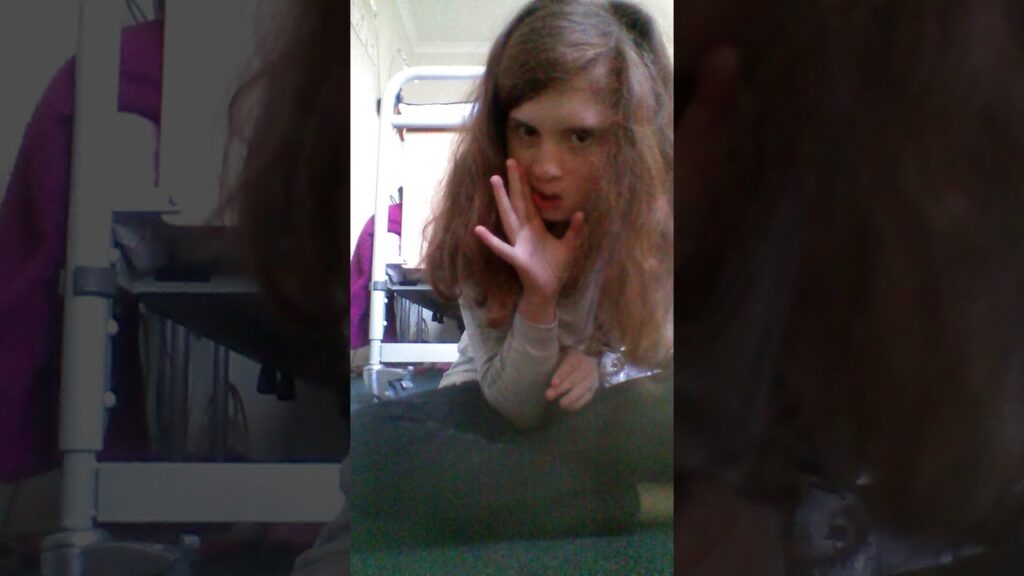
The sign for “ex” in NZSL is commonly used to refer to a former partner or spouse, often in conversations about relationships. This sign can express a range of emotions, from nostalgia to relief, depending on the context. It’s an important part of the lexicon in the New Zealand Deaf community, reflecting both personal experiences and cultural nuances.
Table of Contents
How to Sign “Ex” in NZSL

- Start with your dominant hand in a flat ‘B‘ handshape (palm facing down).
- Position your hand at the side of your forehead, near your temple.
- Move your hand away from your face in a small outward arc, as if you are pushing something away.
- Maintain a neutral facial expression, or adjust your expression to convey the sentiment you want to express about the ‘ex’.
Common Mistakes
- Confusing the hand shape with a fist instead of the flat ‘B‘ handshape.
- Not moving the hand outward far enough, making the sign unclear.
- Using an exaggerated facial expression that may distract from the sign itself.
NZSL vs ASL
In NZSL, the sign for “ex” has a distinct movement and handshape compared to ASL. In ASL, the sign typically involves a different handshape and may not have the same emotional nuance, reflecting cultural differences in expressing past relationships.
Related Signs
- (All Of) You – Refers to a group or multiple people.
- (Baby’s) Dummy – Sign for a baby’s pacifier.
- (Be) Careful – A warning sign to take care.
- (Be) Born, (Give) Birth – Related to the concept of birth and beginnings.
Frequently Asked Questions
How can I use the sign “ex” in a sentence?
You might say, “My ex is coming to the party,” using the sign to refer to your former partner.
Are there regional variations of this sign in New Zealand?
Most regions use a similar sign for “ex,” but some may add unique facial expressions or slight hand movements.
What is a similar sign to “ex”?
The sign for “past” can convey a similar temporal context, but it doesn’t carry the same relational meaning.
What tips do you have for learning this sign?
Practice in front of a mirror to ensure the handshape and movement are correct, and pay attention to your facial expressions.
Is there a cultural significance to the sign?
Yes, it reflects personal experiences and emotions related to relationships in the Deaf community, which can be an important part of social conversations.
Can I use this sign in formal settings?
While the sign is appropriate for casual discussions, in formal settings, it may be helpful to provide more context or use a complete sentence.
Practice This Sign
Try signing Ex with your camera and get AI coaching on your handshape, movement, and location.
Free · No signup required