
England, English in New Zealand Sign Language (NZSL)
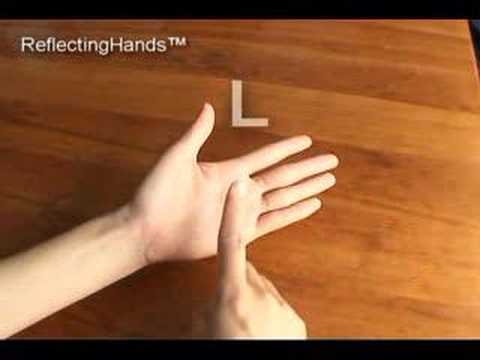
The sign for “England” or “English” in NZSL is commonly used when referring to the country of England or the English language. This sign is often seen in conversations about travel, culture, or language exchange within the Deaf community in New Zealand.
Table of Contents
How to Sign “England, English” in NZSL

- Start with your dominant hand in the shape of a flat ‘E’ (fingers extended, thumb tucked in).
- Place your hand near your forehead, with your palm facing outwards.
- Move your hand slightly away from your forehead while keeping your fingers together, as if you’re indicating a location.
- Maintain a neutral facial expression, or you can add a slight nod to indicate affirmation.
Common Mistakes
- Forgetting to keep the fingers together when making the ‘E’ handshape.
- Moving the hand too far away from the forehead, which can change the meaning.
- Using the wrong facial expressions, which can lead to confusion about the sign’s intent.
NZSL vs ASL
In NZSL, the sign for “England” incorporates the ‘E’ handshape, while in ASL, the sign typically involves a different handshape and movement. This highlights the unique features of NZSL, influenced by both New Zealand’s culture and some aspects of BSL (British Sign Language).
Related Signs
- English – The sign for the English language.
- Britain – Referring to the broader region that includes England.
- London – The capital city of England.
- British Culture – Discussing aspects of culture from England.
- Travel – Related to traveling to England.
Frequently Asked Questions
How can I use “England” in a sentence?
You can say: “I want to travel to England” by signing “I want travel England.”
Are there regional variations in the sign?
While the sign is generally consistent across New Zealand, some regions may have slight variations in facial expressions or movement.
What are similar signs to “England”?
Signs like “British” and “London” may be used in conjunction to provide more context about England.
What tips do you have for learning this sign?
Practice in front of a mirror and watch native signers to improve your accuracy and confidence.
Can I use this sign in formal and informal settings?
Yes, this sign is appropriate for both casual conversations and more formal discussions about travel or culture.
Is there a specific context where “English” is used?
“English” might be used when discussing language learning, literature, or cultural exchanges.
What are some resources to learn more NZSL?
Consider joining local Deaf clubs, taking NZSL classes, or using online resources that focus on NZSL.
Practice This Sign
Try signing England, English with your camera and get AI coaching on your handshape, movement, and location.
Free · No signup required