
Electric in New Zealand Sign Language (NZSL)

The sign for “electric” in New Zealand Sign Language (NZSL) is used to describe anything related to electricity, such as electrical devices, power sources, and electrical work. This sign can often be seen in discussions about household appliances, technology, and energy sources within the Deaf community. It reflects the unique blend of NZSL’s influences, including aspects from British Sign Language (BSL) and local signs that resonate with New Zealand’s culture.
Table of Contents
How to Sign “Electric” in NZSL
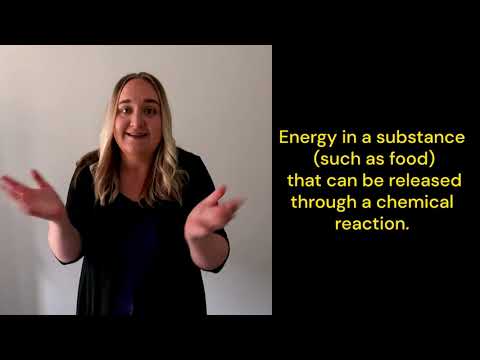
- Start with your dominant hand in a flat ‘B’ handshape, fingers extended and together.
- Position your hand in front of your body, about waist height, with your palm facing towards you.
- Make a small, quick movement upwards and then downwards, simulating a sudden jolt or spark of electricity.
- Maintain a focused facial expression, reflecting the energy associated with electricity.
Common Mistakes
- Forgetting to use the appropriate facial expressions, which are crucial in NZSL for conveying meaning.
- Using a flat handshape but moving the hand too slowly, which can make the sign unclear.
- Positioning the hand too high or low, which can change the meaning of the sign.
NZSL vs ASL
In NZSL, the sign for “electric” uses a flat handshape and a specific upward and downward motion. In American Sign Language (ASL), the sign typically involves a different handshape and movement that might not convey the same sense of shock or energy. Understanding these differences can enhance communication across different sign languages.
Related Signs
- Power – Refers to electrical power or energy sources.
- Circuit – Used when discussing electrical circuits.
- Device – Refers to electronic devices and gadgets.
- Light – Often associated with electrical light sources.
- Safety – Important when discussing electrical safety.
Frequently Asked Questions
Can you use “electric” in a sentence in NZSL?
Yes! You can say “The electric kettle is broken” by signing “ELECTRIC KETTLE BROKEN.” Remember to maintain clear facial expressions to convey the message effectively.
Are there regional variations for the sign “electric” in New Zealand?
While the sign is widely understood, some regions may have slight variations in hand movements or facial expressions. It’s always good to learn from local signers.
What other signs are similar to “electric”?
Related signs like “power” and “device” are often used alongside “electric” when discussing technology.
What are some tips for learning the sign “electric”?
Practice in front of a mirror to ensure your movements and facial expressions are clear. Watching video demonstrations can also be helpful.
How does context affect the use of “electric”?
The context can greatly influence how you sign “electric,” especially when combined with other signs to specify the subject, like “electric car” or “electricity bill.”
Can I use “electric” in different contexts?
Absolutely! The sign can be adapted to various contexts, such as discussing electrical safety, appliances, or energy sources. Just ensure the context is clear.
Practice This Sign
Try signing Electric with your camera and get AI coaching on your handshape, movement, and location.
Free · No signup required