
Denture in New Zealand Sign Language (NZSL)

The sign for “denture” in NZSL is used to refer to artificial teeth or dental prosthetics. It’s commonly used in conversations about dental health, aging, or when discussing oral care within the Deaf community. This sign reflects the importance of clear communication regarding health and well-being.
Table of Contents
How to Sign “Denture” in NZSL
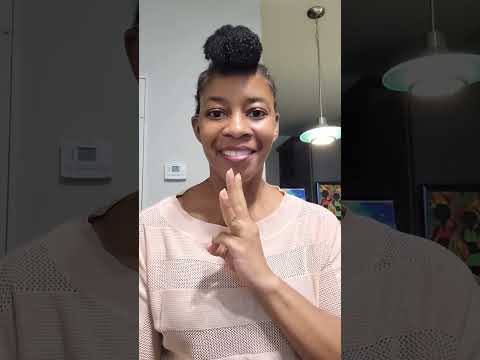
- Start with your dominant hand in a flat handshape (like a “B” handshape) with the palm facing down.
- Position your hand in front of your mouth, at about chin level.
- Move your hand slightly away from your mouth, while keeping the flat handshape.
- As you move your hand, slightly tilt your head forward and maintain a neutral facial expression.
Common Mistakes
- Using a fist instead of a flat handshape, which can change the meaning.
- Positioning the hand too low or too high, leading to misinterpretation.
- Neglecting to adjust facial expressions, which are important for conveying context in NZSL.
NZSL vs ASL
In NZSL, the sign for “denture” involves a flat handshape and a specific movement away from the mouth, while in ASL, the sign may differ significantly in handshape and movement. Understanding these differences can help learners better navigate both sign languages.
Related Signs
- (Baby’s) Dummy – A sign for a baby’s pacifier.
- (Be) Careful – A sign to indicate caution.
- (Be) Born, (Give) Birth – Related to the context of health and care.
- (All Of) You – A commonly used inclusive pronoun sign.
- (Baby’s) Dummypacifiertāminoun – Another variant of the sign for pacifier.
Frequently Asked Questions
How can I use “denture” in a sentence?
You might say, “I need to get my denture adjusted,” which in NZSL would involve signing the words for “I,” “denture,” and “adjusted” with appropriate facial expressions.
Are there regional variations for this sign?
While the basic sign for “denture” is consistent across New Zealand, some regions may have slight variations in hand movements or facial expressions. It’s always good to learn from local Deaf community members.
Is there a similar sign for “tooth”?
Yes, the sign for “tooth” typically uses a different handshape and movement, focusing more on the singular aspect of a tooth rather than a set of dentures.
What tips do you have for learning this sign?
Practice with a mirror to ensure your handshape and positioning are correct, and pay attention to the facial expressions that accompany the sign.
Can I use this sign in formal and informal settings?
Yes, the sign for “denture” is appropriate in both formal and informal contexts, especially when discussing health-related topics.
How does this sign relate to other dental signs in NZSL?
This sign connects with other dental signs as part of the broader vocabulary related to oral health, such as “tooth” and “dentist.”
Practice This Sign
Try signing Denture with your camera and get AI coaching on your handshape, movement, and location.
Free · No signup required