
Compare (verb, 2) in New Zealand Sign Language (NZSL)
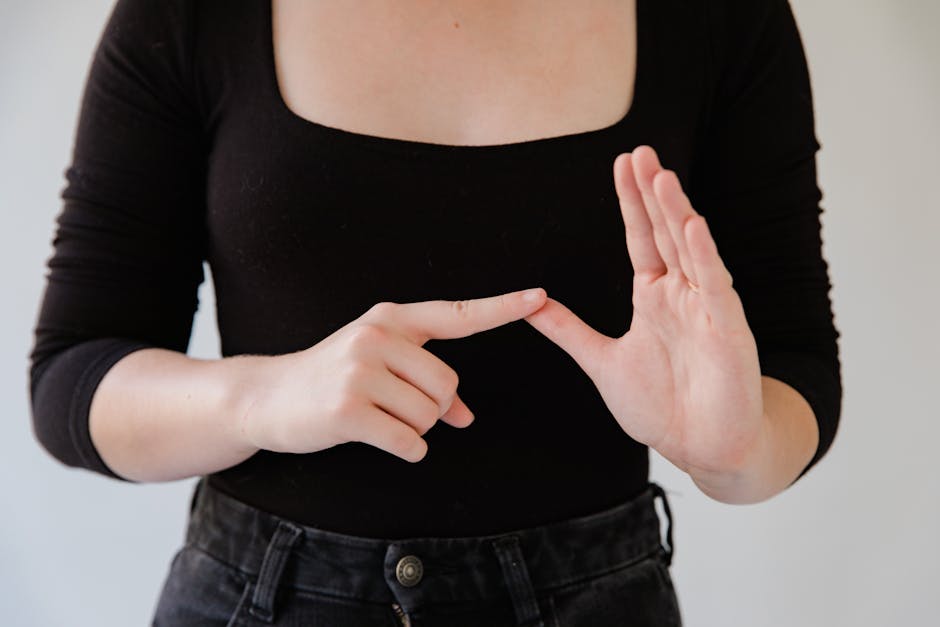
The sign “compareanalyse” in NZSL represents the concepts of comparison, estimation, evaluation, and weighing options. It’s commonly used in discussions where individuals assess similarities and differences, make decisions based on evaluations, or analyze choices. This sign plays a vital role in academic and everyday contexts within the Deaf community.
Table of Contents
How to Sign “Compareanalyse, Comparison, Estimate, Evaluate, Weigh Upwhakatairiteverb” in NZSL
- Start with both hands in a “flat” handshape (palms facing down).
- Position your hands in front of your body, about shoulder-width apart.
- Move your hands slightly apart and then bring them back together, representing the action of weighing options.
- As you move your hands, raise your eyebrows to indicate questioning or evaluating.
- End with a neutral facial expression, reflecting the final assessment.
Common Mistakes
- Forgetting to use facial expressions, which can affect the meaning of the sign.
- Using a single hand instead of both, which may lead to confusion about the comparison aspect.
- Incorrect handshape; ensure you’re using a flat handshape for clarity.
NZSL vs ASL
In NZSL, the sign for “compareanalyse” involves a specific hand movement that emphasizes the action of weighing options. In contrast, ASL uses a different handshape and movement. The distinctions highlight the unique features of each sign language, influenced by their cultural contexts.
Related Signs
- (All Of) You – A sign used to refer to a group of people collectively.
- (Baby’S) Dummy – Refers to a pacifier, commonly used in parenting contexts.
- (Be) Careful – A sign advising caution or awareness in a situation.
- (Be) Born, (Give) Birth – Relates to the concepts of birth and new life.
- (Be) Passive – Indicates a state of being unaffected or unresponsive.
Frequently Asked Questions
How can I use “compareanalyse” in a sentence?
You could use it to say, “I want to compareanalyse these two options before deciding.”
Are there regional variations for this sign in New Zealand?
While the sign is generally consistent, some regions may have slight variations in movement or facial expression.
What are some similar signs to “compareanalyse”?
Signs like “evaluate” or “assess” share similar concepts and may be used in related contexts.
What tips do you have for learning this sign?
Practice in front of a mirror to ensure your handshape and facial expressions are accurate.
Can I use this sign in a formal setting?
Yes, it’s appropriate for both formal and informal discussions when making comparisons.
What is the significance of facial expressions in this sign?
Facial expressions add meaning and context, helping convey the evaluative nature of the sign.
Practice This Sign
Try signing Compareanalyse, Comparison, Estimate, Evaluate, Weigh Upwhakatairiteverb with your camera and get AI coaching on your handshape, movement, and location.
Free · No signup required