
Commute, Day Pupil (noun) in New Zealand Sign Language (NZSL)
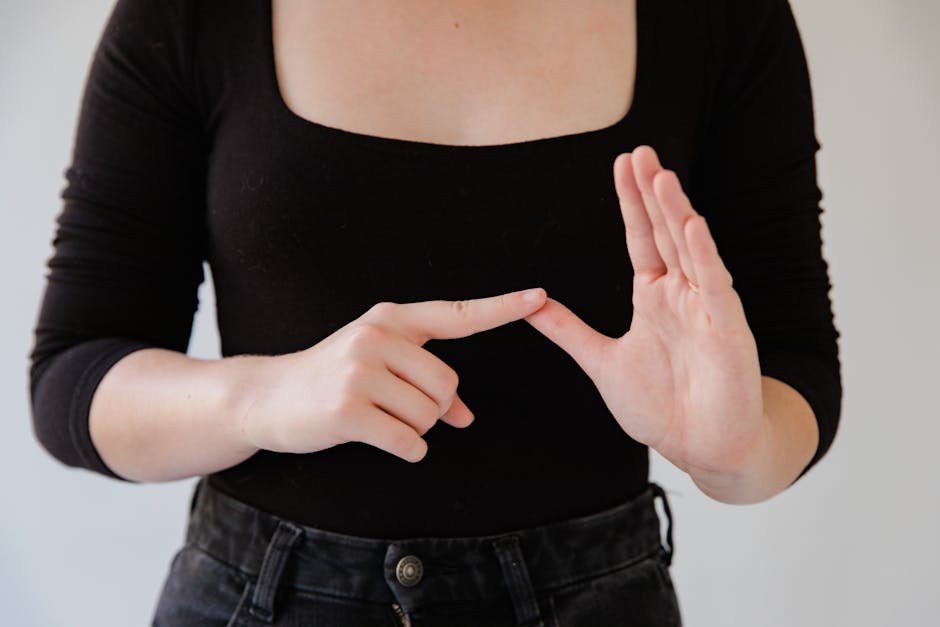
The sign for “commute, day pupilcommuter, pupil, school pupilhaere, ākonganoun; verb” is used in everyday conversations within the NZ Deaf community, particularly when discussing travel to and from school. This sign captures the essence of being a student who regularly travels to school, emphasizing the importance of education in the Deaf culture.
Table of Contents
How to Sign “Commute, Day Pupilcommuter, Pupil, School Pupilhaere, āKonganoun; Verb” in NZSL
- Start with your dominant hand in a flat handshape (like a ‘B‘ handshape) with fingers extended.
- Position your hand near your forehead, palm facing outward.
- Move your hand forward and slightly downward, as if illustrating the motion of traveling or commuting.
- Maintain a neutral expression, but feel free to show enthusiasm if you’re discussing school or education.
Common Mistakes
- Some learners forget to use the flat handshape, which can lead to confusion with other signs.
- Not incorporating the movement from the forehead can make the sign unclear.
- Facial expressions might be overlooked, affecting the overall meaning and context of the sign.
NZSL vs ASL
In NZSL, the sign for “commute” emphasizes the action of traveling specifically in the context of attending school, whereas in ASL, the sign may focus more broadly on travel without the school context. Understanding these nuances can enhance communication across different sign languages.
Related Signs
- (Be) Careful – A sign to express caution.
- (Be) Passive – Signifying a state of being or attitude.
- (All Of) You – A sign used to refer to a group of people.
- (Baby’s) Dummy – A sign for a baby’s pacifier.
Frequently Asked Questions
How can I use this sign in a sentence?
You might say, “I commute to school every day” by signing “I” + “commute” + “school” to convey your message.
Are there regional variations for this sign in New Zealand?
While the sign is largely consistent, some regions may have slight variations in hand movement or facial expression. Observing local Deaf interactions can be helpful.
What are some signs similar to ‘commute’?
Signs like ‘travel’, ‘school’, or ‘student’ share related concepts and can often be used in similar contexts.
What tips do you have for learning this sign?
Practice in front of a mirror to ensure proper handshape and movement. Watching fluent signers can also provide great visual examples.
Is this sign commonly used in everyday conversations?
Yes, it is frequently used among students and parents when discussing school-related topics.
Can I use this sign for other types of commuting?
While it specifically refers to school commuting, the concept can be adapted to other contexts by clarifying with additional signs.
Practice This Sign
Try signing Commute, Day Pupilcommuter, Pupil, School Pupilhaere, āKonganoun; Verb with your camera and get AI coaching on your handshape, movement, and location.
Free · No signup required