
Correspondence School in New Zealand Sign Language (NZSL)
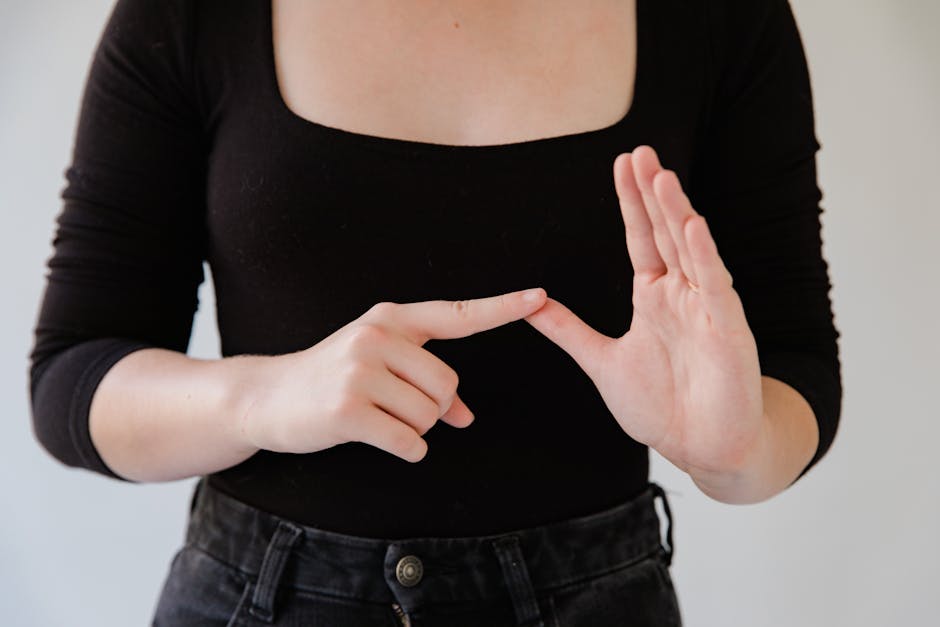
The sign for “correspondence schoolte kura ā tuhinoun” refers to a type of educational institution where students receive their learning materials through the mail or online, rather than attending classes in person. This sign is commonly used in the NZ Deaf community, especially among parents and students discussing educational options. It highlights the flexibility and accessibility of learning for Deaf students in New Zealand.
Table of Contents
How to Sign “Correspondence Schoolte Kura ā Tuhinoun; Phrase” in NZSL
- Start with your dominant hand in a “C” shape, palm facing down, near your forehead.
- Move your hand away from your head in a small arc, as if indicating the sending of information.
- Next, transition to the sign for “school” by placing both hands in a flat “B” shape, palms facing down, and tapping them together lightly.
- To finish, use your dominant hand to form a “C” shape again and move it away from your body, signifying the concept of correspondence.
- Throughout the sign, maintain an engaged facial expression to reflect the educational context.
Common Mistakes
- Forgetting to use facial expressions, which are important for conveying meaning in NZSL.
- Confusing the sign for “school” with other educational signs that have similar hand shapes.
- Not maintaining the proper hand shape when transitioning between parts of the sign.
NZSL vs ASL
In NZSL, the sign for “correspondence school” incorporates unique movements and facial expressions that reflect the cultural context of New Zealand. In contrast, ASL has a different approach to the concept of correspondence education, using distinct signs and hand shapes that do not convey the same nuances as in NZSL.
Related Signs
- (All Of) You – A sign used to refer to a group of people.
- (Baby’S) Dummy – A sign indicating a pacifier for infants.
- (Be) Careful – A sign expressing caution.
Frequently Asked Questions
Can I use this sign in a sentence?
Yes, you can use it in sentences like “I am enrolling in correspondence school” by incorporating the sign at the appropriate point in your sentence structure.
Are there regional variations for this sign across New Zealand?
While the sign is generally consistent, some regions may have slight variations in movement or emphasis, so it’s good to observe local users.
What are some similar signs?
Signs like “school” and “learn” are closely related and can be used in conjunction with the correspondence sign.
What tips can help me learn this sign better?
Practice in front of a mirror to check your hand shapes and facial expressions. Watching fluent NZSL users can also be beneficial.
Is this sign influenced by te reo Māori?
Yes, NZSL incorporates some signs that reflect Māori language and culture, promoting a rich bilingual experience.
How do I know if I’m signing correctly?
Getting feedback from fluent NZSL users or educators can help ensure your signing is accurate and culturally appropriate.
Practice This Sign
Try signing Correspondence Schoolte Kura ā Tuhinoun; Phrase with your camera and get AI coaching on your handshape, movement, and location.
Free · No signup required