
Collide, Collision (noun) in New Zealand Sign Language (NZSL)
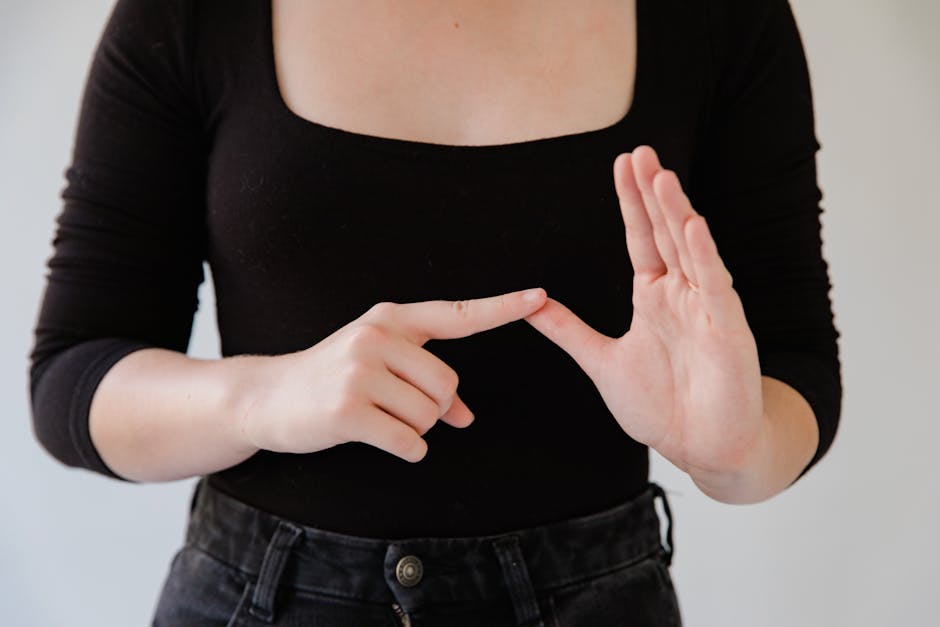
The sign for “collide” or “collision” in NZSL is commonly used in discussions about accidents, especially those involving vehicles. This sign captures the sudden and impactful nature of collisions, making it an important part of everyday conversations within the Deaf community in New Zealand.
Table of Contents
How to Sign “Collide, Collisionaccident, Crash, Smash, Vehicle Crashtuki, Tukitanganoun; Verb” in NZSL
- Begin with both hands in a flat “B” handshape (palms down).
- Position your hands about shoulder-width apart in front of your body.
- Move your hands towards each other quickly, as if they are about to hit.
- When your hands meet, make a slight “smashing” motion, allowing your hands to come together forcefully.
- Facial expressions should convey urgency or surprise to emphasize the impact of the collision.
Common Mistakes
- Using an open handshape instead of the flat “B” handshape, which can change the meaning.
- Not moving the hands together quickly enough, making the sign appear too slow or gentle.
- Forgetting to incorporate appropriate facial expressions, which are essential in NZSL for conveying emotion and context.
NZSL vs ASL
In NZSL, the sign for “collide” emphasizes the hand movements and facial expressions to convey impact. In contrast, ASL may use a different handshape and movement pattern. Understanding these differences helps learners appreciate the unique aspects of NZSL as an official language of New Zealand.
Related Signs
- (Be) Careful – a sign used to express caution.
- (All Of) You – often used in group contexts.
- (Baby’S) Dummy – related to baby care.
- (Be) Born, (Give) Birth – relating to new life.
Frequently Asked Questions
How can I use this sign in a sentence?
You can use it in a sentence like, “The cars collided at the intersection.” In NZSL, you would sign “CARS COLLIDE INTERSECTION.”
Are there regional variations of this sign in New Zealand?
While this sign is generally consistent, some local variations may exist. It’s always good to learn from local Deaf individuals.
What are some similar signs?
Similar signs include “crash,” “smash,” and “accident,” which all convey a sense of impact or collision.
What tips do you have for learning this sign?
Practice with a partner and pay attention to their facial expressions. Watching videos of native signers can also help improve your accuracy.
Can this sign be used in different contexts?
Yes, while primarily used for vehicle collisions, it can also refer to other types of collisions, such as sports-related impacts.
What resources can I use to learn more NZSL signs?
Consider using online dictionaries, video tutorials, and local community classes to expand your NZSL vocabulary.
Practice This Sign
Try signing Collide, Collisionaccident, Crash, Smash, Vehicle Crashtuki, Tukitanganoun; Verb with your camera and get AI coaching on your handshape, movement, and location.
Free · No signup required