
Brick (Māori: pereki, porokere) in New Zealand Sign Language (NZSL)
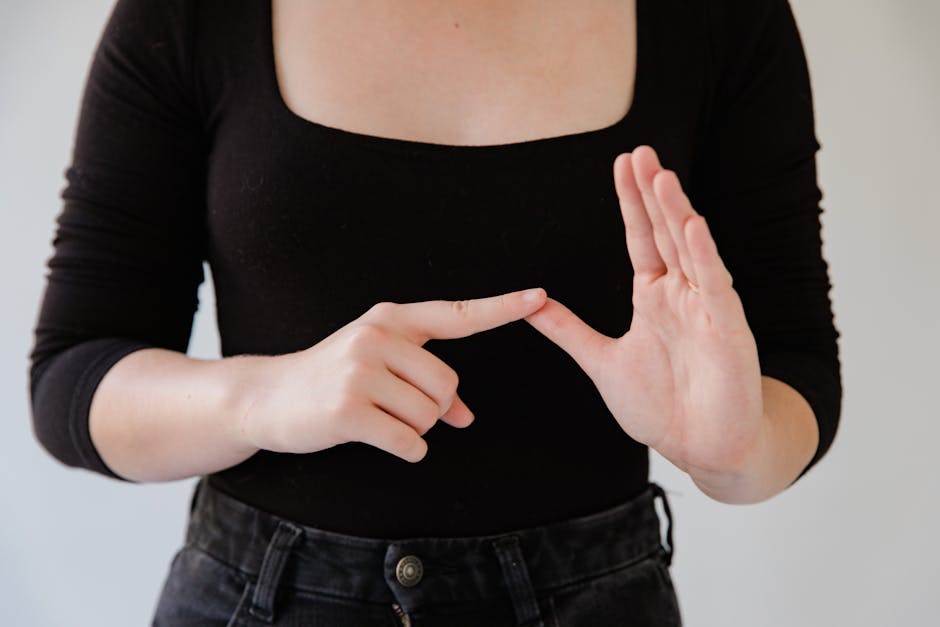
The sign “brickpereki” (also known as “porokere”) is used in the New Zealand Deaf community to represent the concept of a brick, which is a common building material. It’s often used when discussing construction, architecture, or DIY projects. This sign reflects the rich blend of NZSL and cultural influences, making it a unique part of New Zealand’s Deaf language.
Table of Contents
How to Sign “Brickpereki, Porokerenoun” in NZSL
- Start with your dominant hand in a flat ‘B‘ handshape (the fingers extended and together, with the thumb across the palm).
- Position your hand in front of your chest at about shoulder height.
- Move the hand slightly forward while keeping the palm facing down, as if you are placing a brick down.
- Maintain a neutral expression, but you can add a slight nod to indicate the action of laying down the brick.
Common Mistakes
- Some learners confuse the handshape with a fist, which can alter the meaning.
- Not keeping the movement smooth can make the sign appear choppy, which may confuse the viewer.
- Forgetting to maintain facial expressions can lead to a lack of clarity in the sign’s intention.
NZSL vs ASL
In ASL, the sign for “brick” is quite different. ASL typically uses a flat handshape that mimics the shape of a brick but does not involve the same movements or hand positioning as in NZSL. This highlights the unique characteristics of NZSL, influenced by local culture and language.
Related Signs
- (Be) Careful – A sign indicating caution.
- (Be) Born, (Give) Birth – Used in discussions about childbirth.
- (Baby’s) Dummy – Refers to a pacifier for infants.
- (All Of) You – A sign for addressing a group of people.
- (Be) Passive – Signifying a state of being passive.
Frequently Asked Questions
How can I use “brickpereki” in a sentence?
You can sign, “I am building a wall with brickpereki” by incorporating other signs for building and wall.
Are there regional variations of the sign in New Zealand?
While “brickpereki” is widely used, some regions may have slight variations in hand shape or movement.
What are some similar signs to “brickpereki”?
Similar signs include “stone” and “block,” which may have different handshapes but share context in construction.
What tips do you have for learning this sign?
Practice in front of a mirror to ensure your handshape and movement are correct, and observe native signers for fluency.
Can I use this sign in formal settings?
Yes, “brickpereki” is appropriate in both casual and formal contexts, especially in discussions related to construction.
Is this sign influenced by te reo Māori?
While “brickpereki” does not directly derive from te reo Māori, NZSL incorporates many cultural elements, including Māori influence in its development.
Practice This Sign
Try signing Brickpereki, Porokerenoun with your camera and get AI coaching on your handshape, movement, and location.
Free · No signup required