
Bilingual in New Zealand Sign Language (NZSL)
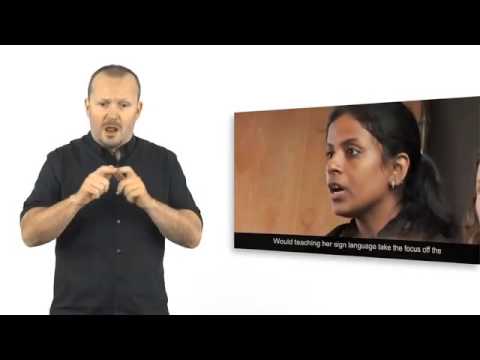
The sign for “bilingual” in New Zealand Sign Language (NZSL) refers to a person who is proficient in two languages, particularly NZSL and English. This sign is commonly used in educational contexts, discussions about language access, and advocacy for the Deaf community’s rights to use their native language. It highlights the importance of being able to communicate effectively in both NZSL and spoken languages.
Table of Contents
How to Sign “Bilingual” in NZSL
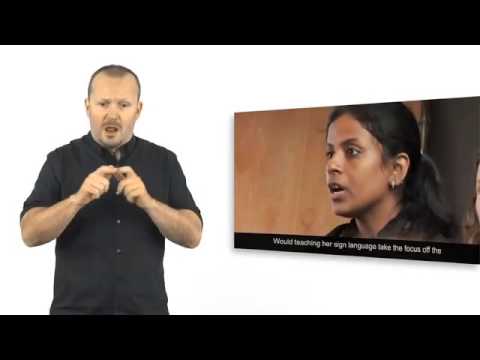
- Start with both hands in a flat “B” handshape (palm facing down).
- Place your dominant hand slightly above the non-dominant hand, both in front of your chest.
- Move your dominant hand in a gentle wave-like motion back and forth over the non-dominant hand, as if illustrating the flow between two languages.
- Maintain an open and friendly facial expression, showing engagement with the idea of bilingualism.
Common Mistakes
- Using a fist instead of a flat “B” handshape, which can change the meaning.
- Not maintaining the proper space between the hands, leading to a lack of clarity in the sign.
- Neglecting facial expressions, which are essential for conveying the sign’s meaning and context.
NZSL vs ASL
In NZSL, the sign for “bilingual” emphasizes the fluidity between two languages, while in American Sign Language (ASL), the sign may differ in handshape and movement. NZSL incorporates unique features influenced by British Sign Language (BSL) and Te Reo Māori signs, reflecting its cultural context, whereas ASL has its own distinct origins and structure.
Related Signs
- (All Of) You: A sign expressing inclusion.
- (Be) Careful: A sign conveying caution and awareness.
- (Be) Born, (Give) Birth: A sign related to origins and beginnings.
Frequently Asked Questions
Can I use “bilingual” in a sentence?
Yes! You might say, “I am bilingual in NZSL and English,” which emphasizes your ability to communicate in both languages.
Are there regional variations for this sign in NZ?
While the core sign remains the same, some regional variations may exist in hand movements or speed. Observing local users can help you adapt.
What is a similar sign to “bilingual”?
A similar sign is “multilingual,” which indicates proficiency in more than two languages. The sign may involve additional movements to represent the extra languages.
What tips can help me learn this sign?
Practice consistently and watch native signers. Pay attention to their facial expressions and movements to capture the nuances of the sign.
Is the concept of bilingualism important in the Deaf community?
Yes, it promotes access to information and communication, ensuring that Deaf individuals can engage fully in society.
How can I incorporate this sign in conversations?
You can use the sign when discussing language preferences, education, or cultural identity. It shows pride in both languages.
Practice This Sign
Try signing Bilingual with your camera and get AI coaching on your handshape, movement, and location.
Free · No signup required