
Burn (on Body) in New Zealand Sign Language (NZSL)

The sign for “burn (on body)” in NZSL is used to describe the sensation or occurrence of burning on the skin, such as from a hot surface or substance. This sign is commonly used in everyday conversations within the Deaf community, particularly when discussing safety or health issues related to burns.
Table of Contents
How to Sign “Burn (On Body)” in NZSL
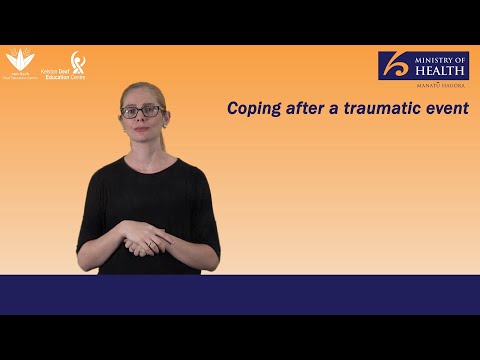
- Start with your dominant hand in a flat palm shape (like a “B” handshape) facing down.
- Position your hand above the area of your body where you feel the burn, such as your arm or leg.
- Gently move your dominant hand downwards towards the surface of your skin, while slightly curling your fingers to indicate the sensation.
- As you perform the movement, use facial expressions to convey discomfort or pain, such as furrowing your brow or squinting your eyes.
Common Mistakes
- Forgetting to use facial expressions, which are crucial in conveying the feeling of a burn.
- Using the wrong handshape; ensure the dominant hand is flat and not in a fist or other shape.
- Moving the hand too quickly, which might make the sign unclear or less impactful.
NZSL vs ASL
In NZSL, the sign for “burn (on body)” focuses on the movement towards the body with a flat handshape, while in ASL, the sign might involve a more exaggerated motion and different handshape. Understanding these differences highlights the unique aspects of NZSL as an official language of New Zealand since 2006, with its own set of signs and influences, including aspects from BSL and te reo Māori.
Related Signs
- (Be) Careful – A sign to indicate caution to prevent burns.
- (Be) Passive – Useful when discussing reactions to pain.
- (Baby’s) Dummy – Relates to safety for children.
- (Be) Born, (Give) Birth – Related to health and safety discussions.
Frequently Asked Questions
How do I use this sign in a sentence?
You can say, “I burned my arm,” by signing “I” (point to yourself) followed by the sign for “burn (on body)” and then pointing to your arm.
Are there regional variations for this sign in NZ?
While the core sign remains the same, some regions may have slight variations in movement or expression. It’s best to observe local users when learning.
Can I use this sign for other types of burns?
Yes, this sign can be adapted to describe different types of burns, just ensure to adjust facial expressions according to the severity.
What are some similar signs to learn?
Related signs include “hurt” and “pain,” which can help expand your vocabulary when discussing injuries.
What tips do you have for learning this sign?
Practice in front of a mirror to check your handshape and facial expressions. Watching videos of native signers can also provide great guidance.
Is this sign used in other contexts?
Yes, while primarily used for physical burns, it can also be used metaphorically for emotional pain.
Practice This Sign
Try signing Burn (On Body) with your camera and get AI coaching on your handshape, movement, and location.
Free · No signup required