
Bad Temper (adjective) in New Zealand Sign Language (NZSL)
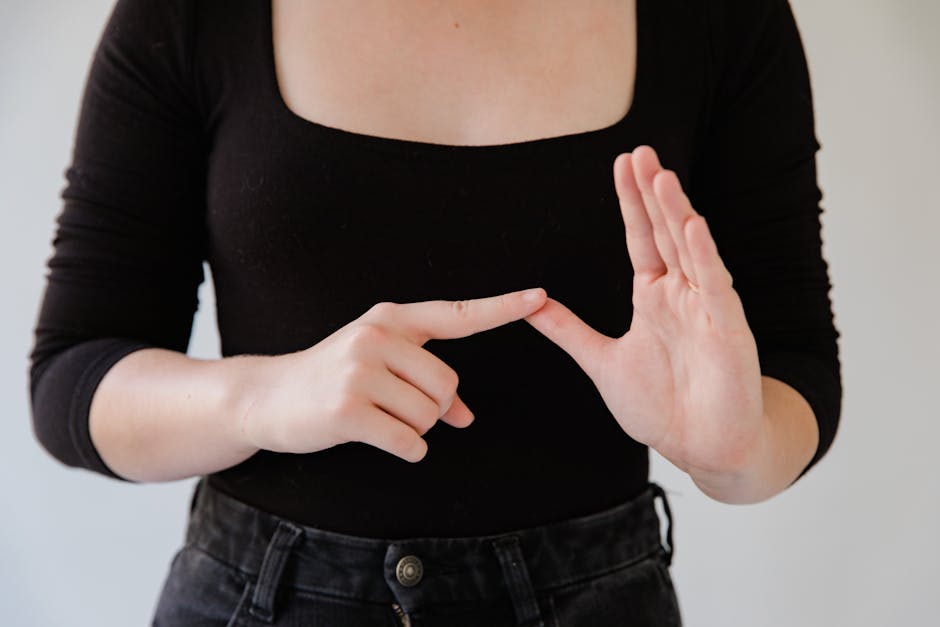
The sign for “bad temper,” “bad-tempered,” “get mad,” “lose one’s temper,” or “pissed off” (pukuriri) is commonly used in the New Zealand Deaf community to express feelings of anger or frustration. This sign often accompanies discussions about emotions, conflict, or when someone is upset. Understanding and using this sign appropriately can help convey strong feelings effectively within conversations.
Table of Contents
How to Sign “Bad Temperbad-Tempered, Get Mad, Lose One’s Temper, Pissed Offpukuririadjective; Verb” in NZSL
- Start with your dominant hand in a ‘5’ handshape, fingers spread wide.
- Position your hand near your forehead, palm facing away from you.
- Move your hand forward and slightly downward, while simultaneously scrunching your facial expression to reflect anger or frustration.
- As you move your hand, you may also want to slightly shake your head to enhance the expression of being upset.
- Finish the sign by returning your hand to a relaxed position, maintaining the facial expression for emphasis.
Common Mistakes
- Some learners forget to incorporate facial expressions, which are essential to convey the emotion behind the sign.
- Others may use a different handshape, such as a flat hand instead of a ‘5’ handshape, leading to confusion.
- Not moving the hand forward enough can make the sign unclear, as it may not effectively express the intensity of the emotion.
NZSL vs ASL
In NZSL, the sign for “bad temper” has a unique handshape and movement compared to ASL. While ASL also has a sign for anger that involves a fist, NZSL emphasizes a more open hand and a distinct facial expression to convey the emotional context. This difference highlights the unique aspects of NZSL as influenced by local culture and community.
Related Signs
- Angry – A sign to express general anger or irritation.
- Frustrated – Used to describe feelings of stress or annoyance.
- Happy – The opposite of being mad, expressing joy.
- Sad – To indicate feelings of sadness or disappointment.
Frequently Asked Questions
How can I use this sign in a sentence?
You might say, “I am feeling pukuriri today” by signing “I” and then using the sign for “bad temper” to indicate your current emotion.
Are there regional variations for this sign in New Zealand?
While the core sign remains consistent, some regional differences may exist in the accompanying facial expressions or intensity of the sign.
What are some similar signs to learn?
Consider learning signs like Angry, Frustrated, and Happy to better express a range of emotions.
What tips can help me learn this sign?
Practice in front of a mirror to observe your facial expressions and hand movements, and try to emulate the emotions authentically.
Is this sign commonly used in everyday conversations?
Yes, it’s frequently used in discussions about personal feelings, conflicts, or when talking about situations that cause frustration.
Can I use this sign in formal settings?
While it can be used in any setting, be mindful of the context and the audience, as expressing anger may not always be appropriate.
What should I focus on when practicing the sign?
Focus on combining the correct handshape with expressive facial cues to fully convey the meaning of being upset or angry.
Practice This Sign
Try signing Bad Temperbad-Tempered, Get Mad, Lose One's Temper, Pissed Offpukuririadjective; Verb with your camera and get AI coaching on your handshape, movement, and location.
Free · No signup required