
Asthma (Māori: mate huangō) in New Zealand Sign Language (NZSL)
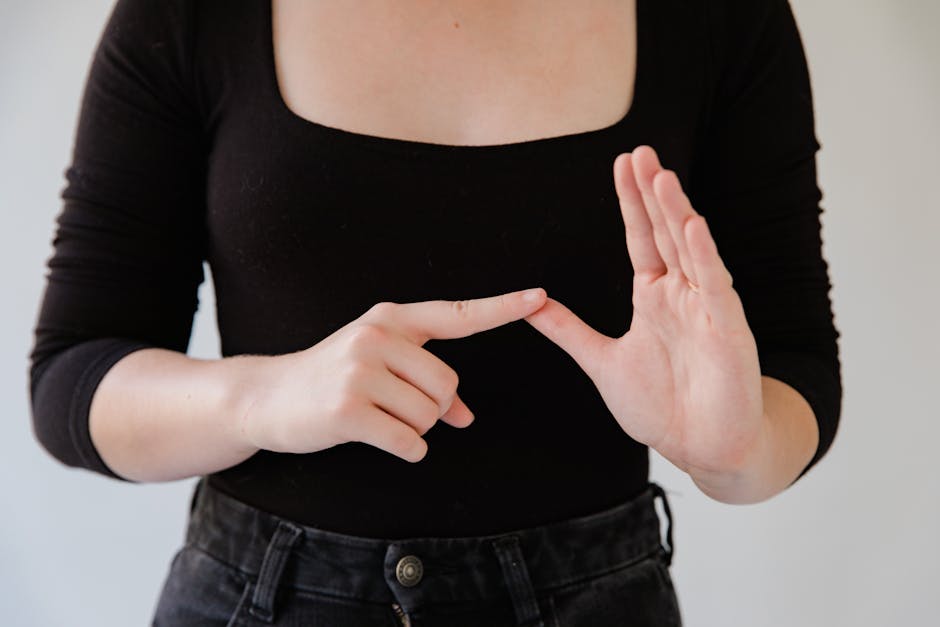
The sign “asthmamate huangōnoun” in NZSL refers to the condition of asthma, commonly used in discussions about health, medical conditions, and personal experiences within the Deaf community. This sign is important for effective communication about health-related topics, particularly in educational and medical settings.
Table of Contents
How to Sign “Asthmamate HuangōNoun” in NZSL
- Start with your dominant hand in a flat “B” handshape, palm facing down.
- Place your hand at the level of your chest, slightly to one side.
- Make a small circular motion with your hand, moving it outward and then back towards your body.
- As you sign, maintain a serious facial expression to convey the seriousness of the condition.
Common Mistakes
- Forgetting to use the correct handshape; using a fist instead of a flat hand can change the meaning.
- Not incorporating the facial expression, which is crucial in NZSL to convey the context and seriousness.
- Making the circular motion too large, which may confuse the sign with others that have different meanings.
NZSL vs ASL
In NZSL, the sign for “asthmamate huangōnoun” uses a specific handshape and movement that differs from the American Sign Language (ASL) sign for asthma. While ASL may use a different approach to convey the same concept, the emphasis on facial expressions in NZSL is more pronounced, reflecting the cultural nuances of the New Zealand Deaf community.
Related Signs
- (Be) Careful – A sign used to express caution.
- (Be) Born, (Give) Birth – Related to health and family discussions.
- (Baby’S) Dummy – Often used in conversations about parenting and child health.
- (Be) Passive – A sign that can relate to health conditions and responses.
- (All Of) You – Useful in discussions involving multiple people regarding health issues.
Frequently Asked Questions
How do I use “asthmamate huangōnoun” in a sentence?
For example, you could say, “I have asthmamate huangōnoun” by signing your personal statement followed by the sign for asthma.
Are there regional variations in how this sign is used in New Zealand?
While the sign remains largely consistent across New Zealand, some regions may have slight variations in hand movement or facial expression.
What are some signs similar to “asthmamate huangōnoun”?
Similar signs include health-related terms like “allergy” or “breathing problems,” which may have distinct signs in NZSL.
Do you have tips for learning this sign?
Practice consistently in front of a mirror to perfect your handshape and movement, and observe native signers for natural usage.
How can I communicate about asthma with someone who doesn’t know NZSL?
Using visual aids, written communication, or gestures can help convey the message while you learn the sign.
Is there a sign for asthma in other sign languages?
Yes, each sign language has its own sign for asthma, such as in ASL, where the sign differs from NZSL.
Practice This Sign
Try signing Asthmamate HuangōNoun with your camera and get AI coaching on your handshape, movement, and location.
Free · No signup required