
How to Learn BSL Free – No-Cost Learning Methods

Discovering how to learn British Sign Language free is easier than you might think. From government-funded courses and charity-led workshops to extensive free online resources and community practice groups, there are genuine pathways to BSL learning that cost nothing. This guide maps out the best free BSL learning options available across the UK.
Free Online BSL Resources
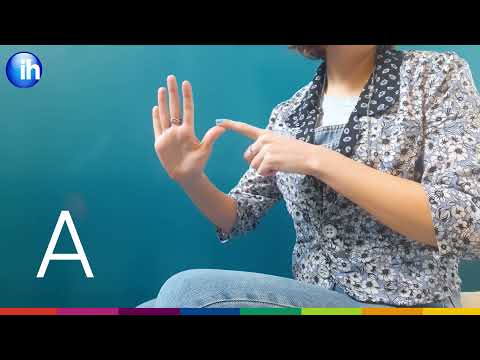
YouTube hosts extensive free BSL teaching content from Deaf educators and qualified tutors. Channels covering the BSL alphabet, basic vocabulary, conversational phrases, and grammar explanations provide structured free lessons you can follow at your own pace. Subscribing to several BSL channels creates a consistent stream of learning content.
BSL SignBank offers a free, comprehensive online dictionary with video demonstrations of thousands of signs. Search by English word to find the corresponding BSL sign shown from multiple angles. This invaluable reference tool is maintained by BSL linguists and updated regularly with new entries.
Social media platforms feature daily BSL content from Deaf creators. Instagram, TikTok, and Facebook accounts dedicated to BSL teaching post short sign tutorials, cultural insights, and vocabulary lessons. Following these accounts embeds BSL into your daily digital experience, providing passive exposure that supplements active study.
Some BSL course providers offer free introductory modules online. These taster courses cover the basics — greetings, alphabet, numbers, and common phrases like hello and thank you — giving you a structured starting point before committing to a full course. Check provider websites for available free content.
Funded BSL Courses
The Adult Education Budget in England funds free courses for eligible adults. If you’re on a low income, receiving benefits, or don’t have a prior Level 2 qualification, you may qualify for fully funded BSL courses at local colleges and adult education centres. Check with your local provider about eligibility.
Scotland’s Individual Training Accounts, Wales’s Personal Learning Accounts, and Northern Ireland‘s further education funding each provide mechanisms that can reduce or eliminate BSL course costs for eligible learners. Contact your national skills agency for specific eligibility criteria and application processes.
Some employers fund BSL training for staff in relevant roles. Healthcare, education, customer service, and public administration employees may access BSL courses through workplace training budgets. Ask your HR department about available language training funding.
Charitable organisations occasionally fund BSL learning for specific groups. Parents of deaf children may receive funded BSL support through the National Deaf Children’s Society. People working with Deaf clients may access training through professional development grants. Explore sector-specific funding relevant to your circumstances.
Practice Makes Perfect
Test your sign language skills with our free practice app.
Free Community Learning
Deaf clubs and community groups sometimes offer free BSL taster sessions or informal signing practice. These community-based opportunities are often run by Deaf volunteers who want to share their language. The relaxed, welcoming atmosphere makes them ideal for beginners who feel nervous about formal classes.
Libraries across the UK occasionally host free BSL workshops. Check your local library’s events calendar for signing events, particularly during Deaf Awareness Week. Some libraries also stock BSL learning books and DVDs that you can borrow for free, building your home learning resources without cost.
BSL practice groups and meetups provide free interactive practice. Search platforms like Meetup.com for BSL groups in your area. Online practice groups via video call connect learners regardless of location. These informal sessions provide the conversational practice that self-study alone cannot offer.
Parent-and-baby signing groups sometimes offer free sessions in community centres and children’s centres. While focused on baby signing, these groups introduce genuine BSL signs and can spark a deeper interest in learning the full language. They’re especially valuable for parents wanting to sign with their children.
Building a Free Learning Routine
Structure your free learning like a course. Set specific daily and weekly learning goals — five new signs per day, one YouTube lesson per day, and one practice session per week, for example. Without the structure of a paid course, self-discipline determines your progress.
Use free apps for daily practice. BSL dictionary apps, fingerspelling trainers, and vocabulary quizzes provide interactive learning tools on your phone. Setting daily practice reminders maintains consistency, and many apps track your progress to show how far you’ve come.
Create a study group with other free learners. Connecting with people at a similar level provides mutual support, practice partners, and accountability. Share resources you discover, practise together via video call, and motivate each other through the inevitable plateaus in learning.
Engage with the Deaf community as your skills develop. Attending Deaf social events is free and provides the most valuable learning experience available at any price. Real conversations with Deaf people challenge and develop your skills in ways that study materials cannot replicate. Start attending community events as soon as you have basic conversational ability — the community’s welcome is the best free resource of all.
Related Articles
Practice ASL Signs
Use your camera to practice signs and get real-time AI feedback on your technique.
Free · No signup required