
Yourself in British Sign Language (BSL)

The sign for “yourself” is an essential part of self-reference in British Sign Language (BSL). It is often used when discussing personal experiences or feelings, making it a common sign in everyday conversations within the UK Deaf community.
How to Sign “Yourself” in BSL
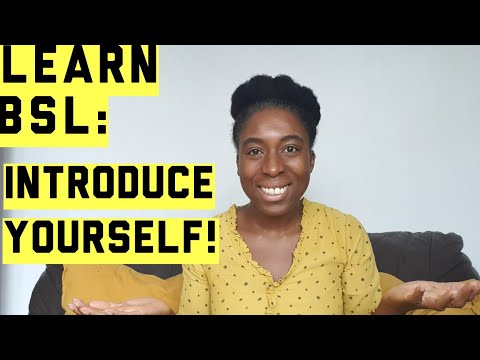
- Start with your dominant hand in the ‘flat’ handshape (palm facing down).
- Position your hand near your chest, slightly to the side of your body, in line with your heart.
- Move your hand away from your body in a small outward arc, maintaining the flat handshape.
- As you move your hand, make sure to maintain eye contact with your audience to convey connection and engagement.
- Use a neutral facial expression or a slight smile to indicate comfort and openness.
Common Mistakes
- Forgetting to maintain a flat handshape; some learners may use a fist or a different shape, which can change the meaning.
- Not using appropriate facial expressions; facial expressions are crucial in BSL for conveying tone and context.
- Incorrect hand positioning; placing the hand too far away from the body can make the sign less clear.
BSL vs ASL
In BSL, the sign for “yourself” is performed with a flat handshape moving outward from the chest. In contrast, American Sign Language (ASL) uses a different handshape and movement, often involving a finger point or a specific sign that does not share the same hand movement as BSL. This highlights the differences in structure and expression between the two sign languages.
Related Signs
- Me – Used to refer to oneself directly.
- You – To indicate the person you are addressing.
- Self – A general term for one’s own identity.
- Identity – To discuss personal identity or characteristics.
- Experience – Related to personal experiences or stories.
Frequently Asked Questions
How do I use “yourself” in a BSL sentence?
For example, “You should take care of yourself” can be signed as: “YOU TAKE CARE YOURSELF,” emphasizing the personal aspect with the sign.
Are there regional variations for this sign?
While the sign itself remains largely consistent across the UK, some regional accents may influence the speed or slight variation in movement.
What are some similar signs to “yourself”?
Signs like “me” and “you” are closely related and often used in similar contexts, especially in self-referential conversations.
What tips do you have for learning this sign?
Practice in front of a mirror to observe your handshape and facial expressions while signing. Recording yourself can also help identify areas for improvement.
Can I use this sign in formal settings?
Yes, you can use “yourself” in both casual and formal settings, as it is a fundamental concept in communication.
How does facial expression affect this sign?
Facial expressions can add nuance to your sign, helping convey emotions or emphasis on your message.
Practice This Sign
Try signing Yourself In Bsl with your camera and get AI coaching on your handshape, movement, and location.
Free · No signup required