
Occupation in British Sign Language (BSL)
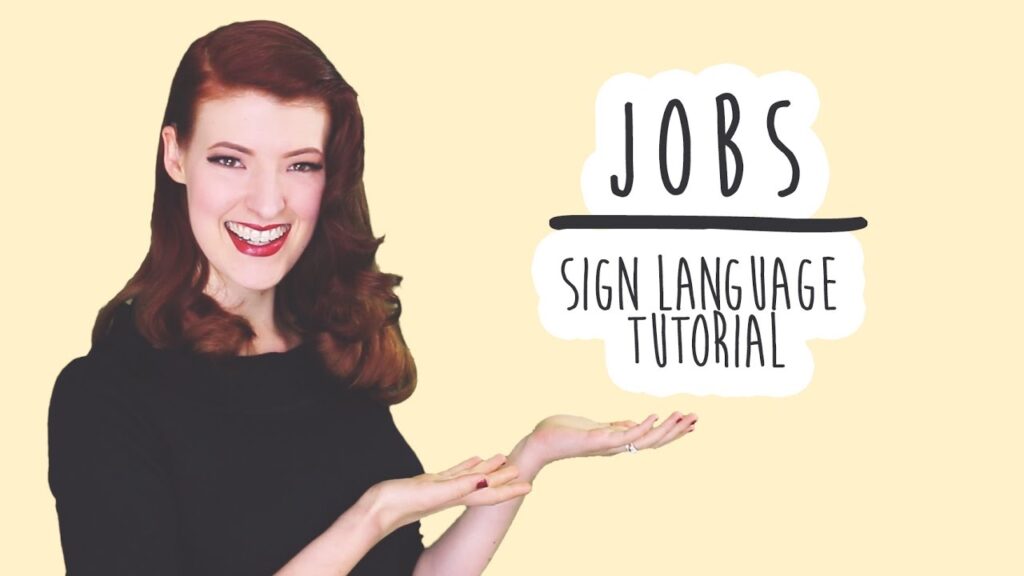
The sign for “occupation” in BSL refers to a person’s job or profession. It’s commonly used in conversations about work, career paths, and discussing what someone does for a living within the UK Deaf community. You might use this sign when introducing yourself or others, or when asking about someone’s job.
How to Sign “Occupation” in BSL
- Start with your dominant hand in a flat ‘B’ shape (like an open palm, fingers together).
- Position your hand in front of your chest, with your palm facing towards you.
- Move your hand slightly away from your body while keeping the shape and maintaining a steady movement.
- Use your facial expressions to show interest or curiosity, as non-manual features are crucial in BSL.
Common Mistakes
- Forgetting to use facial expressions, which can make the sign less expressive.
- Incorrectly shaping the hand; ensure it maintains the ‘B’ shape throughout the movement.
- Not using the space effectively to indicate the topic-comment structure, which is essential in BSL.
BSL vs ASL
In BSL, the sign for “occupation” involves a specific handshape and movement that differs from ASL. While ASL also has a sign for “occupation,” it may use different handshapes and movements, highlighting the distinct characteristics of each sign language.
Related Signs
- Job – Refers to a specific position or employment.
- Employee – Indicates a person who works for an employer.
- Employer – Refers to someone who hires others for work.
- Career – Discusses a person’s long-term professional journey.
- Unemployed – Describes someone who is not currently working.
Frequently Asked Questions
How can I use “occupation” in a BSL sentence?
You can use it by signing the job title first, then following with the sign for “occupation.” For example, “teacher occupation” involves signing “teacher” and then “occupation.”
Are there regional variations in how “occupation” is signed across the UK?
While the basic sign remains consistent, some regions may have slight variations in movement or emphasis. It’s helpful to learn from local Deaf signers.
Are there similar signs to “occupation”?
Yes, related signs like “job” and “career” can be used in similar contexts, but they each have specific meanings.
What are some tips for learning this sign?
Practice with Deaf friends or teachers to get feedback on your handshape and facial expressions. Watching videos can also help you understand the movement better.
Can I use this sign in formal settings?
Yes, it’s appropriate for both casual and formal conversations about jobs and careers.
How important are facial expressions when signing “occupation”?
Facial expressions are very important in BSL as they convey emotion and emphasis, making your communication clearer.
Practice This Sign
Try signing Occupation In Bsl with your camera and get AI coaching on your handshape, movement, and location.
Free · No signup required