
You Are Welcome in British Sign Language (BSL)
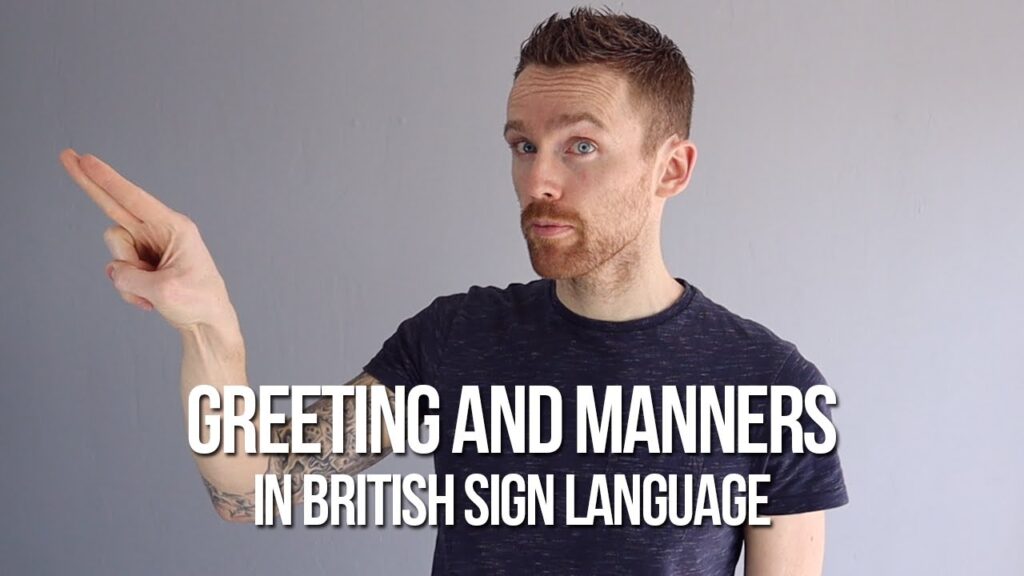
The sign for “you are welcome” in British Sign Language (BSL) is a warm and friendly gesture often used in everyday interactions. It expresses hospitality and kindness, typically used after someone thanks you. This sign helps to create a welcoming atmosphere within the UK Deaf community.
How to Sign “You Are Welcome In Bsl”

- Start with your dominant hand in a flat handshape (like a “B” handshape, with fingers extended and together).
- Position your hand near your chest, with your palm facing towards you.
- Move your hand outward away from your body, as if you are offering something to the person you are addressing.
- Maintain eye contact with the person you are signing to and smile to convey warmth and friendliness.
- Add a slight nod of your head to emphasize the welcoming gesture.
Common Mistakes
- Forgetting to use facial expressions, which are crucial in BSL for conveying meaning.
- Using the wrong handshape; ensure your hand is flat and fingers are together.
- Neglecting to use appropriate space to indicate who you are addressing, which can confuse the message.
BSL vs ASL
In American Sign Language (ASL), the sign for “you are welcome” is different, often involving a different handshape and movement. While BSL focuses on a flat hand moving outward, ASL may use a more open handshape with a different motion. This highlights the unique grammar and structure of each sign language.
Related Signs
- Thank You – A sign used to express gratitude.
- Hello – A common greeting.
- Sorry – Used to apologize.
- Goodbye – A farewell sign.
- Help – A request for assistance.
Frequently Asked Questions
Can I use this sign in a sentence?
Yes, you can incorporate it in sentences like, “Thank you for your help, you are welcome!”
Are there regional variations of this sign in the UK?
While the sign is generally consistent, some regional signs may have slight variations in movement or expression.
What other signs are similar to “you are welcome”?
Signs like “thank you,” “please,” and “sorry” share similar contexts of politeness and social interaction.
What are some tips for learning this sign?
Practice in front of a mirror to check your handshape and facial expressions. Watch videos of native signers to see the sign in context.
Is this sign used in formal situations?
Yes, “you are welcome” can be used in both informal and formal contexts, making it versatile in conversation.
Can children learn this sign easily?
Yes! This sign is simple and friendly, making it accessible for children to learn and use.
Practice This Sign
Try signing You Are Welcome In Bsl with your camera and get AI coaching on your handshape, movement, and location.
Free · No signup required