
Wandering in British Sign Language (BSL)

The sign for “wandering” in BSL represents the concept of moving around without a specific destination, often used to describe leisurely exploration or aimless travel. It captures the essence of wandering freely, and is commonly used in storytelling or when discussing experiences in the Deaf community in the UK.
How to Sign “Wandering”
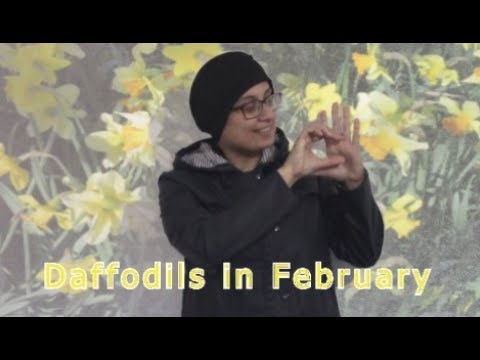
- Start with both hands in front of you, palms facing down, and fingers slightly spread.
- Use your dominant hand to make a small circular motion, indicating a wandering movement. Keep your non-dominant hand steady as a base.
- As you make the circular motion, shift your body slightly to add emphasis to the movement, reflecting the idea of wandering.
- Maintain a relaxed facial expression, perhaps with raised eyebrows, to convey the carefree nature of wandering.
- Optionally, you can use space to indicate the direction or area you are referring to while maintaining the circular motion with your dominant hand.
Common Mistakes
- Forgetting to use the topic-comment structure; it’s important to establish the context before signing.
- Using too rigid a hand shape or movement, which can make the sign appear less fluid and natural.
- Neglecting non-manual features, such as facial expressions, which are crucial for conveying the right meaning.
BSL vs ASL
In BSL, the sign for “wandering” focuses on the movement and facial expressions to convey the action. In contrast, ASL may use a different handshape and a more static position to denote the same concept, highlighting the differences in regional signing styles.
Related Signs
- 1 – The sign for the number one.
- 10 – The sign for the number ten.
- 100 – The sign for the number one hundred.
- 11 – The sign for the number eleven.
- 12 – The sign for the number twelve.
Frequently Asked Questions
How can I use “wandering” in a BSL sentence?
You can use “wandering” to describe an activity: “I enjoy wandering around the city in the summer.” In BSL, you would establish the topic (I), then sign “enjoy wandering” while maintaining the appropriate non-manual features.
Are there regional variations for this sign across the UK?
While the basic sign remains consistent, some regions may have slight variations in movement or facial expressions, reflecting local signing styles.
What are some signs similar to “wandering”?
Similar signs include “walking,” “exploring,” and “travelling,” which can all convey movement but with different contexts.
What tips do you have for learning this sign effectively?
Practice in front of a mirror to observe your movements and facial expressions, and try signing in different contexts to reinforce your understanding.
Can I use “wandering” to describe specific places?
Yes, you can use space to indicate specific locations while signing “wandering,” helping to clarify where you are referring to.
How does context change the meaning of “wandering”?
The context in which you use “wandering” can change its meaning; for example, wandering aimlessly could have a different emotional connotation than wandering with a purpose.
Practice This Sign
Try signing Wandering In Bsl with your camera and get AI coaching on your handshape, movement, and location.
Free · No signup required