
Wanderer in British Sign Language (BSL)

The sign for “wanderer” in BSL represents someone who roams or travels without a fixed destination. This sign is commonly used in storytelling or when discussing themes of exploration and adventure within the UK Deaf community.
How to Sign “Wanderer” in BSL
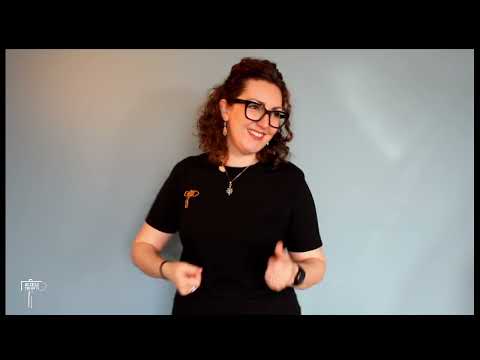
- Start with your dominant hand in a flat “B” shape (palm facing down).
- Position your hand near your chest, around the middle of your body, to establish the topic of “wanderer.”
- Move your hand forward in a gentle, flowing motion, as if you are gliding through space. This movement should convey a sense of wandering or exploring.
- Accompany this movement with a slight tilt of your head forward and a relaxed facial expression, reflecting curiosity or wanderlust.
- Optionally, you can use your non-dominant hand to indicate the direction or path of the wanderer, adding depth to the sign.
Common Mistakes
- Forgetting to use facial expressions, which are essential in conveying the meaning and emotions behind the sign.
- Using a rigid hand shape instead of the flat “B” shape, which can confuse the sign’s intent.
- Neglecting to establish the topic clearly before moving your hand, leading to unclear communication.
BSL vs ASL
In BSL, the sign for “wanderer” focuses on fluid movement to express the idea of roaming. In contrast, ASL may use a different hand shape or a more static sign to convey the same concept. The emphasis in BSL on facial expressions and space usage also differs from ASL’s approach.
Related Signs
- Explore – To travel through an area to learn about it.
- Journey – A trip or expedition from one place to another.
- Travel – The act of moving from one place to another.
- Adventure – An exciting or unusual experience, often involving exploration.
- Journey – To undertake a journey or travel.
Frequently Asked Questions
How can I use “wanderer” in a BSL sentence?
You can sign “wanderer” by first establishing the topic, then demonstrating the action of wandering. For example: “I am a wanderer” can be signed by incorporating the sign for “I” and then “wanderer.”
Are there regional variations for the sign “wanderer” in the UK?
While the sign is generally consistent across the UK, some regional variations may exist in the movement or facial expressions used, reflecting local dialects.
What are some similar signs to “wanderer”?
Related signs include “explore,” “travel,” and “journey,” each conveying different aspects of movement and adventure.
What tips do you have for learning this sign?
Practice in front of a mirror to observe your hand shape and facial expressions. Consider watching videos of native signers to see the sign in context.
Can “wanderer” be used in storytelling?
Yes, “wanderer” is great for storytelling as it adds depth to character descriptions and conveys themes of adventure and exploration.
How does facial expression enhance the sign?
Facial expressions add emotional context, helping to convey curiosity or excitement, which are essential to the meaning of “wanderer.”
Practice This Sign
Try signing Wanderer In Bsl with your camera and get AI coaching on your handshape, movement, and location.
Free · No signup required