
War in British Sign Language (BSL)
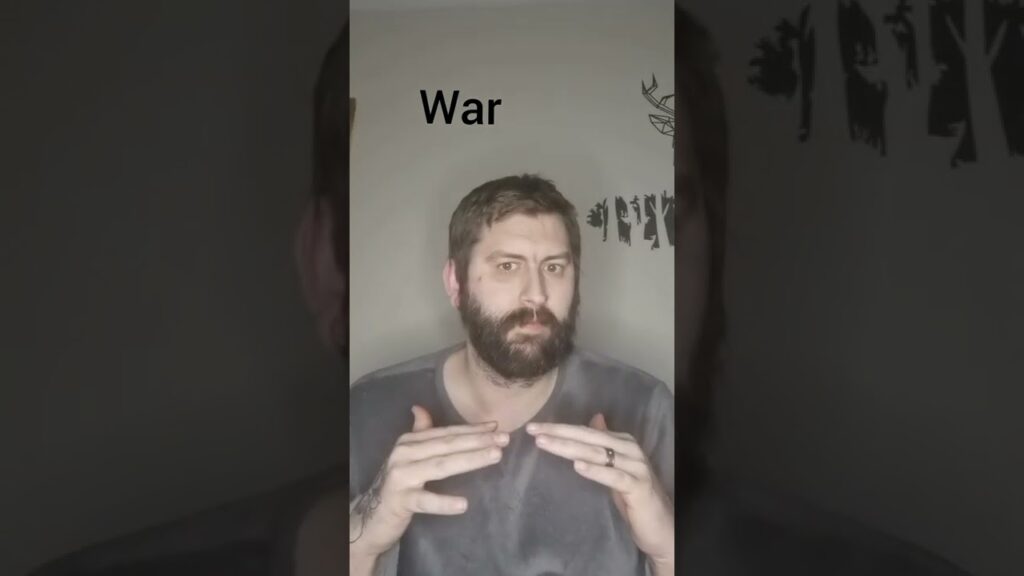
In BSL, “war” conveys the concept of conflict or battle and is frequently utilized in discussions surrounding history, current events, or personal experiences. Additionally, it plays a significant role in storytelling, making it an essential sign for engaging with narratives within the UK Deaf community.
How to Sign “War” in BSL
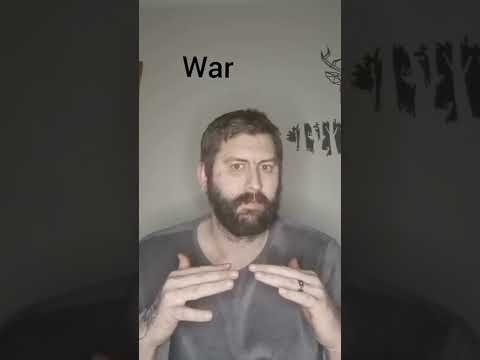
- Start with both hands in a flat shape (like the letter “B”) and hold them in front of your chest.
- Position your hands facing each other, about shoulder-width apart.
- Move your hands outward and slightly apart, while simultaneously twisting your wrists so the palms face upwards.
- As you perform the movement, incorporate a facial expression that reflects seriousness or intensity, as this helps convey the weight of the concept.
- Finish with your hands back in the flat shape, slightly apart, to emphasise the ongoing nature of conflict.
Common Mistakes
- Forgetting to use facial expressions, which are crucial in BSL for conveying emotions.
- Not maintaining the correct hand shape throughout the sign, which can lead to misunderstanding.
- Using too much movement; instead, keep the sign clear and controlled to ensure clarity.
BSL vs ASL
In BSL, the sign for “war” focuses on the physical movement of the hands and the accompanying facial expressions. In contrast, ASL has a different sign that may involve more abstract gestures. This highlights the unique grammar and structure of each sign language, reflecting the cultural contexts they originate from.
Related Signs
- Peace: The opposite of war, representing harmony and tranquility.
- Battle: A sign that refers to a specific conflict or engagement in war.
- Soldier: Someone who fights in a war, relevant in discussions about military topics.
- Conflict: A broader term that includes various forms of disagreement, not limited to war.
- History: Often used in conjunction with war when discussing past events.
Frequently Asked Questions
How can I use “war” in a BSL sentence?
You can sign “war” as the topic, followed by a comment about it, for example, “War is difficult” (WAR DIFFICULT).
Are there regional variations for this sign in the UK?
The sign is generally consistent across the UK, but some regions may have slight variations in movement or intensity.
What are some similar signs to “war”?
Signs like “conflict” and “battle” are related and can be used depending on the context of your discussion.
What tips do you have for learning this sign?
Practice in front of a mirror to ensure your facial expressions match the seriousness of the sign.
Can this sign be used in storytelling?
Yes, it’s commonly used in narratives about historical events or personal experiences related to conflict.
What are some common mistakes learners make?
Common mistakes include neglecting facial expressions and using incorrect hand shapes, which can change the meaning.
Practice This Sign
Try signing War In Bsl with your camera and get AI coaching on your handshape, movement, and location.
Free · No signup required