
Food in British Sign Language (BSL)
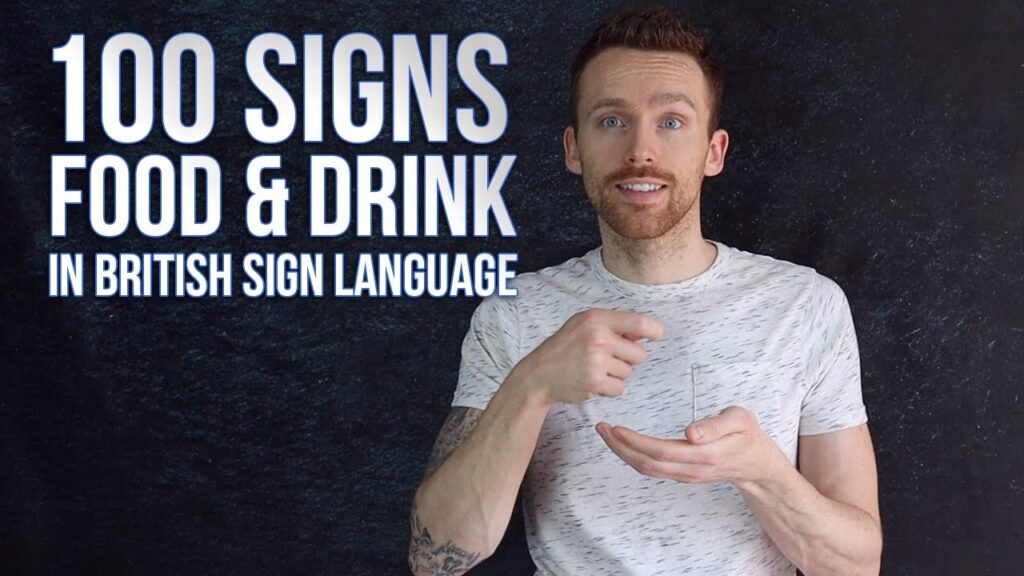
“Food” in British Sign Language (BSL) plays a vital role in daily conversation among the Deaf community in the UK. It facilitates discussions about meals, snacks, and all topics related to eating. The sign proves useful in diverse situations, ranging from informal talks about dinner plans to more structured conversations regarding nutrition.
How to Sign “Food” in BSL
- Start with your dominant hand in a flat shape, fingers extended and together (like the shape of a plate).
- Position your hand in front of your mouth, about an inch away, with your palm facing towards you.
- Move your hand slightly away from your mouth while keeping your fingers pointed forward, as if you are bringing food to your mouth.
- Maintain a relaxed facial expression; you can add a slight smile to convey enjoyment.
- Optionally, you can use your non-dominant hand to mimic holding a fork or spoon, adding detail to the sign.
Common Mistakes
One common error is using an incorrect handshape, such as a fist instead of a flat hand. Another mistake is not using the correct facial expressions, which can make the sign feel less engaging. Lastly, learners sometimes forget to keep the movement fluid, making it appear stiff.
BSL vs ASL
In American Sign Language (ASL), the sign for “food” is quite different. Instead of the flat hand approach, ASL uses a more closed handshape, often resembling a “C” shape brought to the mouth. This highlights the differences in hand shapes and movements between BSL and ASL.
Related Signs
- Breakfast – The sign for the first meal of the day.
- Lunch – Used to refer to the midday meal.
- Dinner – Indicates the evening meal.
- Snack – Sign for light meals or treats.
- Drink – Related sign for beverages.
Frequently Asked Questions
How can “food” be used in a BSL sentence?
You can use “food” as a topic in a BSL sentence by signing “food” first, followed by the comment. For example, “Food delicious” can be signed with a smile to indicate enjoyment.
Are there regional variations for this sign across the UK?
While the sign for “food” is generally recognized, some regions may have subtle variations in movement or facial expressions. It’s helpful to learn from local Deaf communities.
What similar signs should I learn?
Consider learning related signs like “snack,” “lunch,” and “drink” to expand your vocabulary around food topics.
What are some tips for learning this sign?
Practice in front of a mirror to check your handshape and facial expressions. Watching native signers can also help you grasp the nuances.
Can I use gestures instead of signs for food?
While gestures can help, using BSL signs is essential for clear communication within the Deaf community. Signs have specific meanings that gestures may not convey accurately.
Is it okay to modify the sign if I have difficulty?
While it’s important to try to learn the correct sign, feel free to modify it for your comfort as long as you maintain clarity in communication.
Practice ASL Signs
Use your camera to practice signs and get real-time AI feedback on your technique.
Free · No signup required