
Um in British Sign Language (BSL)
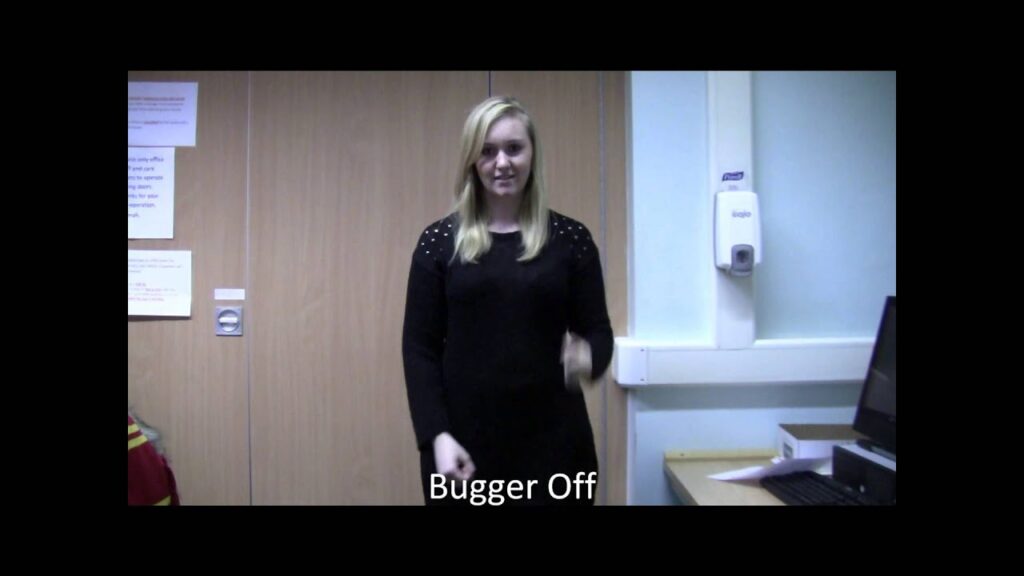
The sign for “um” in BSL is used to indicate hesitation or thinking, similar to how it functions in spoken English. It’s often employed in conversations when someone is pausing to gather their thoughts or when unsure about what to say next. This sign conveys a natural rhythm in conversation, helping to maintain engagement while processing information.
How to Sign “Um”
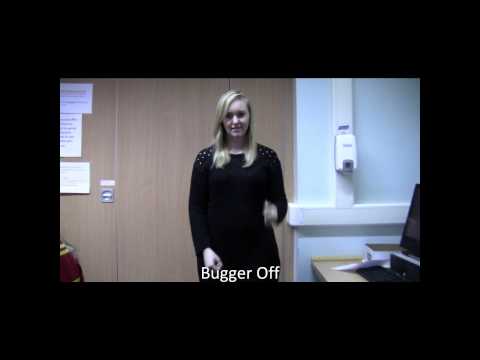
- Start with both hands in front of you, palms facing upwards, and fingers slightly curled.
- Bring your hands closer together, moving them towards your chest as you slightly raise your eyebrows, indicating a pause.
- Maintain a thoughtful facial expression throughout the sign to convey that you are considering your next words.
- As you bring your hands back to the starting position, relax your facial expression to show the completion of the thought process.
Common Mistakes
- Rushing the sign without using non-manual features, which can lead to misunderstandings about the speaker’s thought process.
- Failing to maintain eye contact and appropriate facial expressions, which are crucial for conveying hesitation.
- Using a different hand shape or position, which may confuse the audience and detract from the intended meaning.
BSL vs ASL
In BSL, the sign for “um” is more reliant on hand movements and facial expressions than in ASL. ASL may use a more single-handed gesture, while BSL often incorporates a two-handed approach with facial cues that emphasize the hesitance. This highlights BSL’s unique grammar and expression style.
Related Signs
Frequently Asked Questions
How can I use “um” in a BSL sentence?
You can use “um” in various contexts. For example: “I want to go to the store, um…” This indicates a pause while you think about your next statement.
Are there regional variations for this sign in the UK?
The sign for “um” is generally consistent across the UK, but variations may exist in the speed or emphasis used, depending on the region.
What similar signs should I learn?
Consider learning signs for “uh,” “like,” and “you know,” as they also convey hesitation or thought processes in conversation.
Any tips for mastering this sign?
Practice in front of a mirror to monitor your facial expressions. Incorporate the sign into casual conversations to build confidence.
How do I know when to use “um”?
Use “um” when you need a moment to think or when you’re unsure of what to say next. It’s a natural part of conversation flow.
Is “um” used in formal settings?
While “um” is more common in informal settings, it can also be used in formal conversations for emphasis on thoughtfulness.
Practice This Sign
Try signing Um In Bsl with your camera and get AI coaching on your handshape, movement, and location.
Free · No signup required