
Thank You in BSL Gif in British Sign Language (BSL)
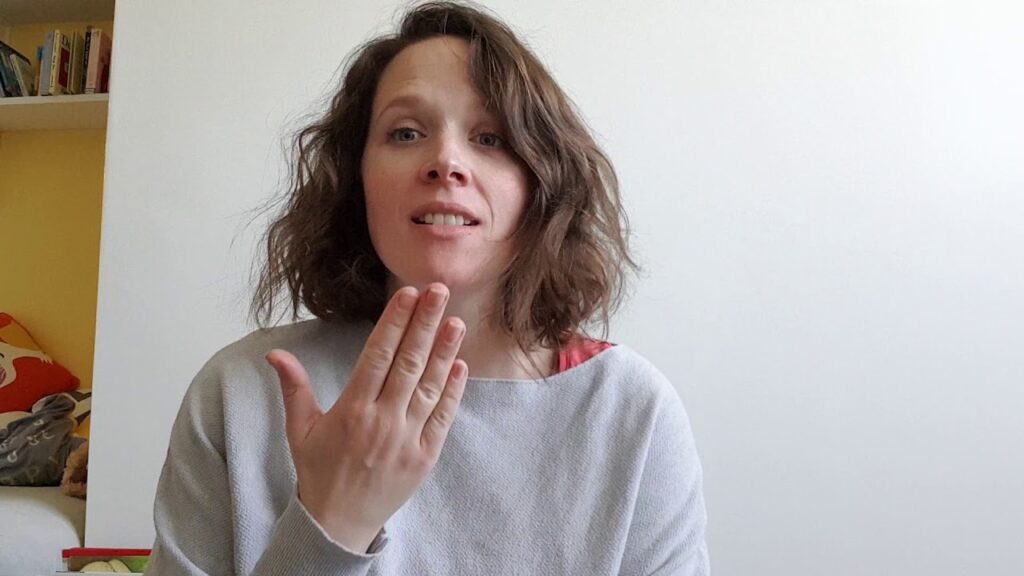
The sign for “thank you” in British Sign Language (BSL) is an essential expression of gratitude commonly used in everyday interactions within the UK Deaf community. It conveys appreciation and is often accompanied by a smile to enhance the message. You might use this sign in various situations, from thanking a friend for a small favour to expressing gratitude in more formal settings.
How to Sign “Thank You In Bsl Gif” in BSL

- Start with your dominant hand open, fingers together and palm facing upwards.
- Position your hand near your chin or lips (this is the starting point).
- Gently move your hand away from your face, slightly forward and downward, while keeping your fingers together.
- Maintain a pleasant facial expression, perhaps smiling, to convey warmth and sincerity.
Common Mistakes
- Some learners may forget to use a facial expression, which is crucial in BSL for conveying tone and emotion.
- Forgetting to keep the fingers together during the movement can lead to an unclear sign.
- Using the wrong hand position; ensure your palm faces outward as you move away from your face.
BSL vs ASL
In American Sign Language (ASL), “thank you” is signed by extending the fingers from the chin outward, similar in concept but different in execution. BSL places more emphasis on the directionality and non-manual features like facial expressions.
Related Signs
- (Bsl – A sign used in various contexts within the Deaf community.
- 1 – The sign for the number one, useful in many counting contexts.
- 10 – The sign for ten, commonly used in numeration.
- 100 – The sign for one hundred, useful in discussions of larger numbers.
Frequently Asked Questions
Can I use “thank you” in a BSL sentence?
Yes! You can incorporate “thank you” into sentences. For example, “I want to thank you” would include the sign for “I want” before using “thank you.”
Are there regional variations for “thank you” in BSL?
Generally, the sign remains consistent across the UK, but some regional variations may occur in the speed or fluidity of the sign.
What are similar signs to “thank you”?
Other expressions of gratitude or politeness, such as “please” or “sorry,” can be useful in conversation. You can learn them to enhance your BSL vocabulary.
What tips do you have for learning this sign?
Practice in front of a mirror to ensure your handshape and facial expression are correct. Also, observe native signers to see the sign in natural conversation.
Is it appropriate to use “thank you” in formal settings?
Absolutely! Using “thank you” is appropriate in both casual and formal settings, showing respect and appreciation.
Can children learn this sign easily?
Yes, children often pick up signs quickly, especially when they see them used frequently in context. Encourage practice at home!
Practice ASL Signs
Use your camera to practice signs and get real-time AI feedback on your technique.
Free · No signup required