
Open Hand in British Sign Language (BSL)
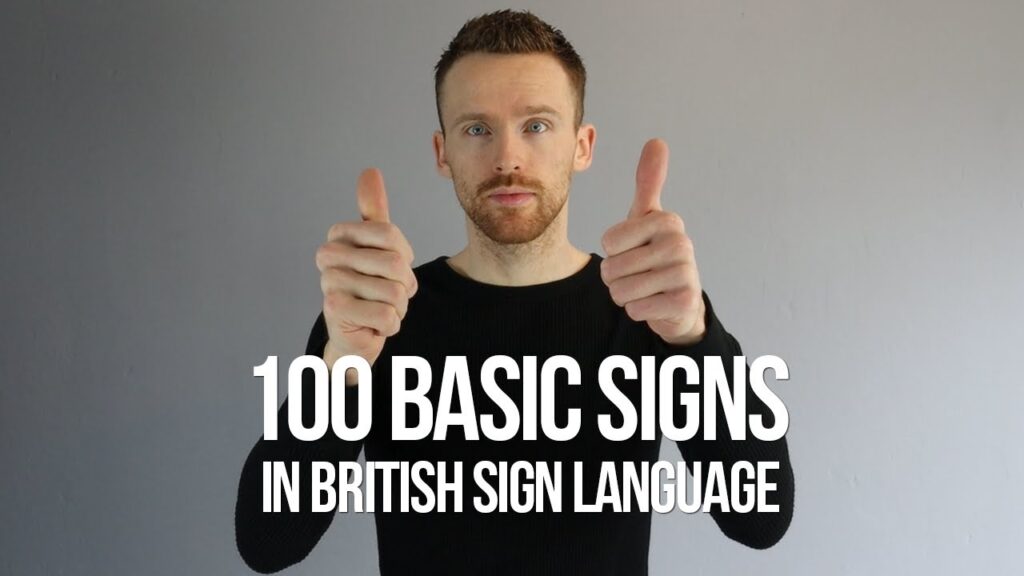
The sign “open hand” in British Sign Language (BSL) represents a variety of meanings, often related to concepts of openness, sharing, or availability. It’s commonly used in conversations about accessibility, welcome gestures, or when illustrating ideas that involve openness in communication. This sign is an integral part of the daily interactions within the UK Deaf community.
How to Sign “Open Hand” in BSL

- Start with your dominant hand in front of you, palm facing outward.
- Extend your fingers straight and keep them together, forming an open hand shape.
- Position your hand at about chest height, slightly away from your body.
- Add a gentle forward movement, as if you are inviting someone in or expressing openness.
- Maintain a friendly facial expression, perhaps smiling or nodding slightly, to reinforce the welcoming nature of the sign.
Common Mistakes
- Forgetting to keep the fingers together, which can change the meaning of the sign.
- Using a closed fist instead of an open hand, leading to misunderstandings.
- Neglecting facial expressions, which are crucial in BSL for conveying tone and intent.
BSL vs ASL
In American Sign Language (ASL), the sign for “open hand” may differ in handshape and movement. While BSL emphasizes a flat, open palm, ASL might use variations in hand position or orientation. This highlights the unique grammar and structure of each sign language, reflecting their distinct cultural contexts.
Related Signs
- Accessibility – Signifying openness to access and inclusion.
- Share – Often uses the open hand to indicate giving or sharing something.
- Welcome – A gesture of invitation typically using the open hand.
- Help – Often involves an open hand to signify offering assistance.
Frequently Asked Questions
How can I use “open hand” in a BSL sentence?
You can use “open hand” in a sentence like “I want to share my ideas” by signing “I” (point to yourself) + “open hand” (to indicate sharing).
Are there regional variations for this sign across the UK?
The sign “open hand” generally remains consistent across the UK, but facial expressions and the context may vary regionally.
What are some similar signs to “open hand”?
Signs like “share” and “welcome” are similar and often incorporate the open hand gesture.
Any tips for learning this sign?
Practice with a mirror to ensure your hand shape and facial expressions are correct. Watching native BSL users can also help.
Can “open hand” be used in formal settings?
Yes, it can be used in both casual and formal settings, especially when discussing inclusive topics.
Why is facial expression important in this sign?
Facial expressions provide context and emotional tone to the sign, enhancing communication effectiveness.
Practice ASL Signs
Use your camera to practice signs and get real-time AI feedback on your technique.
Free · No signup required