
Table Flat Top in British Sign Language (BSL)
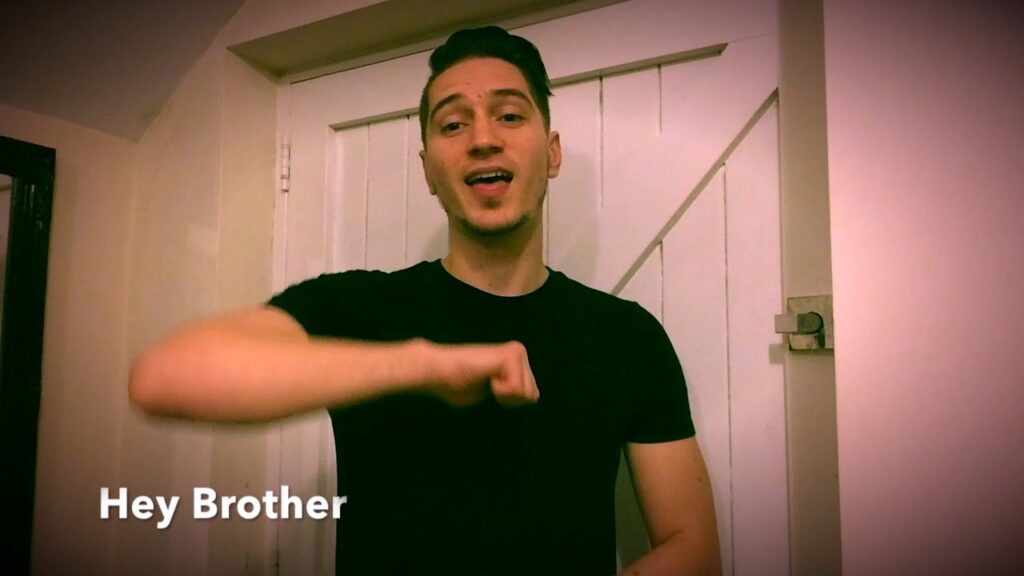
The sign for “table flat top” in British Sign Language (BSL) represents a flat table surface and is commonly used in discussions about furniture, dining, or settings for activities. This sign is essential for everyday conversations, especially when describing environments or settings.
How to Sign “Table Flat Top”
- Start with both hands open, palms facing down.
- Position your hands parallel to each other, about shoulder-width apart, to represent the edges of the table.
- Extend your fingers and keep them together while your thumbs point outward, mimicking the flat top of a table.
- Move your hands slightly downward and then back up to signify the flatness of the table surface.
- Maintain a neutral facial expression while signing, or add a slight nod to signify agreement or confirmation.
Common Mistakes
One common mistake is using a clenched fist instead of open hands, which can misrepresent the flat surface of the table. Another error is not maintaining the correct hand position, leading to confusion about what is being signed. Lastly, learners may forget to use facial expressions, which are crucial for conveying meaning in BSL.
BSL vs ASL
In American Sign Language (ASL), the sign for “table” is quite different, often involving a single flat hand held in front of the body. This highlights the distinct structure and visual representation found in BSL compared to ASL.
Related Signs
- Chair – Sign used to represent a chair.
- Dining Table – Sign for a table specifically used for dining.
- Flat – Sign that conveys the concept of flatness.
- Furniture – General sign for furniture items.
- Surface – Sign indicating a flat surface.
Frequently Asked Questions
Can I use this sign in a sentence?
Yes! For example, “The table flat top is in the kitchen” can be signed by first establishing the topic with “table flat top” and then using appropriate signs for “is” and “kitchen”.
Are there regional variations in how this sign is performed?
While the sign is generally consistent across the UK, some regional variations may exist in the speed or slight hand positioning. Observing local Deaf community members can provide insight into these nuances.
What are similar signs to “table flat top”?
Similar signs include “chair,” “desk,” and “surface.” Each sign has its own unique movements and hand shapes that reflect the specific object.
What tips can help me learn this sign better?
Practice with a partner or in front of a mirror to refine your hand shapes and movements. Watching videos of native BSL users can also be beneficial.
Is this sign used in formal settings?
Yes, this sign is appropriate for both formal and informal contexts when discussing furniture or settings.
Can I use this sign when teaching children?
Absolutely! It’s a great way to engage children in learning about their environment, and using visual aids can enhance their understanding.
Practice This Sign
Try signing Table Flat Top In Bsl with your camera and get AI coaching on your handshape, movement, and location.
Free · No signup required