
Tale in British Sign Language (BSL)
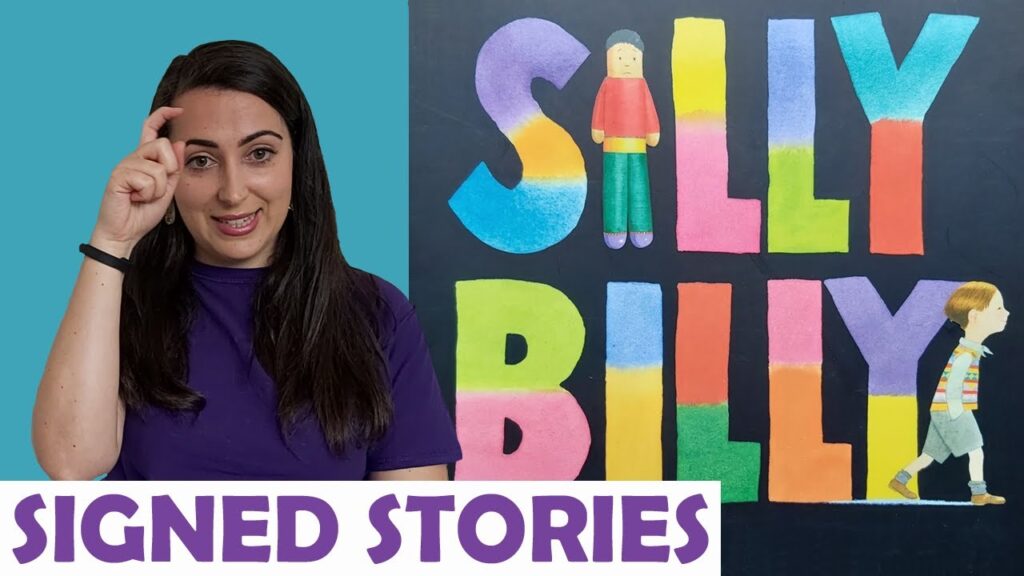
The sign for “tale” in BSL refers to a story, often one that is imaginative or fictional. It’s commonly used in storytelling contexts, whether sharing personal experiences or traditional tales within the UK Deaf community. This sign brings a sense of narrative to conversations, making it a vital part of expressive communication.
How to Sign “Tale”
- Start with your dominant hand in a flat ‘B’ handshape (palm facing down).
- Position your hand at the side of your head, near your temple.
- Move your hand outward in an arc away from your head, maintaining the ‘B’ handshape.
- As you move your hand, use facial expressions to convey the mood of the tale. Raise your eyebrows to indicate excitement or intrigue.
- Finish the movement with your hand at about shoulder height, allowing your fingers to relax slightly.
Common Mistakes
One common mistake is not using enough facial expression, which can make the sign less engaging. Another error is moving the hand too quickly, which can confuse the meaning. Additionally, some learners may forget the importance of using space effectively to indicate different characters or elements of the tale.
BSL vs ASL
In BSL, the sign for “tale” emphasizes facial expressions and the movement of the hand away from the head, while ASL uses a different handshape and a distinct motion that may involve more finger movements. The cultural context of storytelling also varies between the two sign languages, reflecting their unique traditions.
Related Signs
- Story – A narrative or account of events or experiences.
- Fable – A short story typically featuring animals that conveys a moral lesson.
- Legend – A traditional story sometimes regarded as historical but unverified.
- Narrative – A spoken or written account of connected events; a story.
Frequently Asked Questions
How can I use “tale” in a BSL sentence?
You can use “tale” in a sentence like: “I tell a tale about my childhood.” In BSL, you would set the topic (I) and then use the sign for “tale” followed by the sign for “tell” to complete the thought.
Are there regional variations for this sign?
While the sign for “tale” is generally consistent across the UK, some regions may have slight variations in handshape or movement. It’s best to observe local signers for nuances.
What are some similar signs to “tale”?
Signs like “story,” “fable,” and “legend” are related. Each has its own specific meaning but can be used in similar contexts.
What tips can help me learn this sign better?
Practice with native signers and focus on facial expressions. Watching storytelling videos in BSL can also provide context and help with understanding the sign’s use.
Why is facial expression important in BSL?
Facial expressions convey emotions and nuances that enhance the meaning of signs. They are integral to effective communication in BSL.
Can I use this sign in different contexts?
Yes! The sign for “tale” can be used in various contexts, whether talking about children’s stories, personal anecdotes, or cultural legends.
Practice This Sign
Try signing Tale In Bsl with your camera and get AI coaching on your handshape, movement, and location.
Free · No signup required