
Random Memory in British Sign Language (BSL)
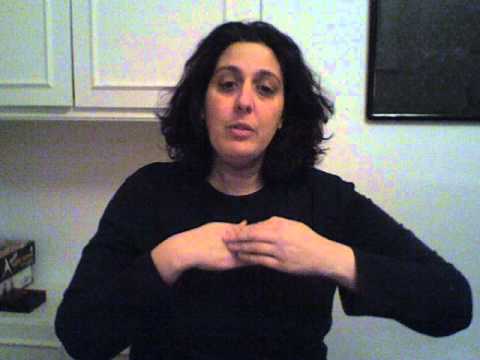
The sign for “random memory” is used in the UK Deaf community to refer to a memory that comes to mind unexpectedly or without a clear trigger. It reflects the spontaneous nature of recalling memories and is often used in casual conversation when sharing thoughts or experiences. This sign can be useful in storytelling or when discussing past events.
How to Sign “Random Memory”
- Start with your dominant hand in a flat shape (like a “B” handshape) facing towards you.
- Place your hand on your forehead, as if you are recalling something.
- Move your hand slightly away from your forehead while also rotating it so that your palm faces outward.
- As you move your hand away, raise your eyebrows and open your eyes wide to show the surprise or spontaneity of the memory.
- Use your non-dominant hand to indicate the randomness by making a small, circular motion in the air, suggesting unpredictability.
Common Mistakes
- Forgetting to use facial expressions, which are crucial for conveying the meaning of “random”.
- Not using the correct handshape, which can lead to confusion with other signs.
- Failing to maintain a clear space in front of you to show the memory being recalled, which can lose the context of the sign.
BSL vs ASL
In BSL, the sign for “random memory” incorporates facial expressions and specific hand movements to convey the idea of spontaneity. In contrast, ASL may use a different sign altogether or a more static approach without the same emphasis on facial expression. Thus, while both languages share some similarities, their approaches to this concept can differ significantly.
Related Signs
- Memory – Refers to the general concept of remembering.
- Thought – Used to express the idea of thinking or pondering.
- Remember – A sign for actively recalling something.
- Forget – Indicates the opposite of remembering.
- Random – To express a lack of specific focus or predictability.
Frequently Asked Questions
How do I use “random memory” in a sentence?
You can use it in a sentence like, “I had a random memory of my childhood while walking today,” which in BSL would involve signing “I (topic) random memory (comment) childhood (context) walking (context).” Make sure to use appropriate facial expressions.
Are there regional variations for this sign in the UK?
Yes, some regions may have slight variations in the handshape or movement. It’s advisable to learn from local Deaf communities to understand these nuances.
What are some similar signs to “random memory”?
Signs such as “memory,” “thought,” and “remember” are closely related and can often be used in similar contexts, but each has its specific meaning.
Any tips for learning this sign?
Practice in front of a mirror to ensure your facial expressions match the sign. Watching native BSL users can also provide great insight into the subtleties of the sign.
Can this sign be used in storytelling?
Absolutely! “Random memory” is especially effective in storytelling to convey unexpected thoughts or past experiences that pop up during the narrative.
What is the cultural significance of sharing random memories?
Sharing random memories fosters connection and strengthens community ties in Deaf culture, as storytelling is a vital part of social interaction.
How can I improve my BSL skills overall?
Joining local Deaf groups, attending BSL classes, and practicing with friends can significantly enhance your skills and confidence in using BSL.
Practice This Sign
Try signing Random Memory In Bsl with your camera and get AI coaching on your handshape, movement, and location.
Free · No signup required