
Range Check in British Sign Language (BSL)
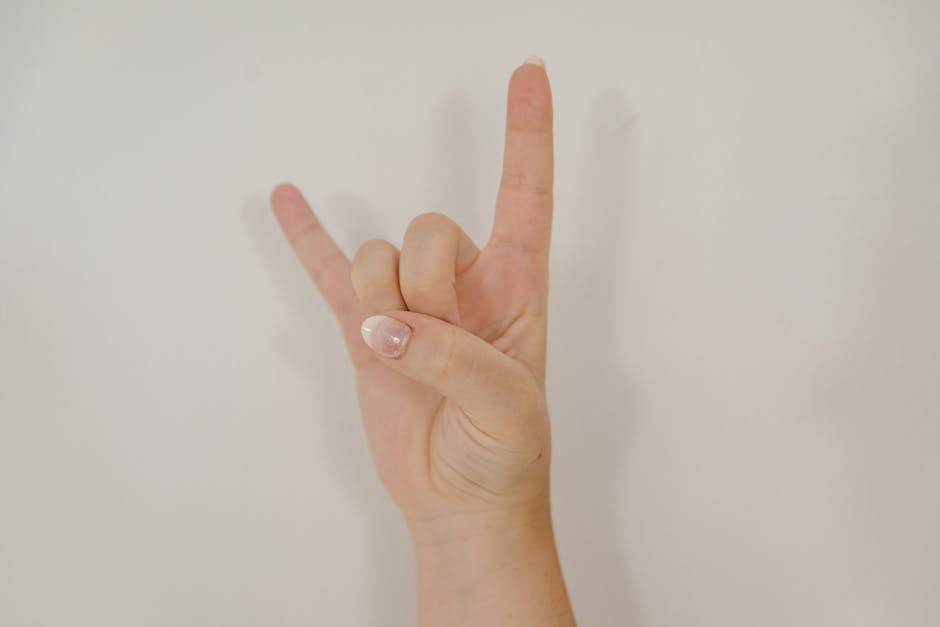
The sign “range check” is commonly used in contexts where one needs to verify limits or boundaries, often in discussions about technology, data, or even physical spaces. This sign is particularly useful in educational and professional settings within the UK Deaf community.
How to Sign “Range Check”
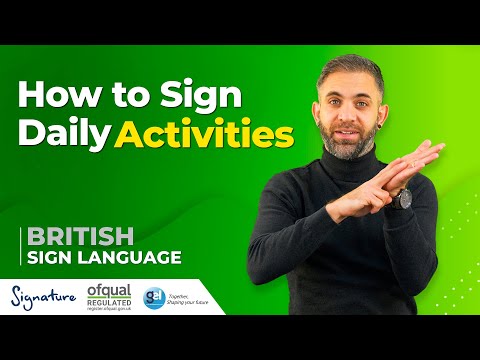
- Start with your dominant hand in a flat ‘B’ shape (palm facing down).
- Position your hand at shoulder height, slightly in front of you.
- With a smooth motion, move your hand outward from your body, maintaining the ‘B’ shape.
- As you move your hand, raise your eyebrows to indicate the range you are checking.
- Finish by bringing your hand back towards your body, maintaining eye contact to show engagement and understanding.
Common Mistakes
- Forgetting to use non-manual features like facial expressions, which are crucial for conveying meaning.
- Using the wrong hand shape; ensure you use a flat ‘B’ rather than a closed fist.
- Not maintaining the correct spatial awareness, which can lead to confusion about what is being referenced.
BSL vs ASL
In BSL, the sign for “range check” focuses on the use of space and non-manual features to convey meaning, while ASL might express this concept through different hand shapes and movements. Understanding these differences can help learners appreciate the unique aspects of each sign language.
Related Signs
- 1 – The sign for the number one.
- 10 – The sign for the number ten.
- 100 – The sign for the number one hundred.
- 11 – The sign for the number eleven.
- 12 – The sign for the number twelve.
Frequently Asked Questions
How can I use “range check” in a BSL sentence?
You can say, “I need to range check the data,” by signing the phrase while incorporating the context of what you are checking.
Are there regional variations for this sign?
The sign is generally consistent across the UK, but some areas may have slight differences in hand positions or non-manual features.
What are similar signs to “range check”?
Signs for “check,” “verify,” or “limit” might be used in similar contexts and can enhance your communication.
What tips do you have for learning this sign?
Practice in front of a mirror to ensure your hand shapes and facial expressions are correct, and consider practicing with a Deaf friend or community member.
Can I combine “range check” with other signs?
Yes, combining it with signs related to the context, like “data” or “test,” can create more detailed and meaningful sentences.
How do I know if I’m using the sign correctly?
Seek feedback from Deaf peers or teachers who can provide guidance on your signing accuracy and clarity.
Practice This Sign
Try signing Range Check In Bsl with your camera and get AI coaching on your handshape, movement, and location.
Free · No signup required