
Neck in British Sign Language (BSL)
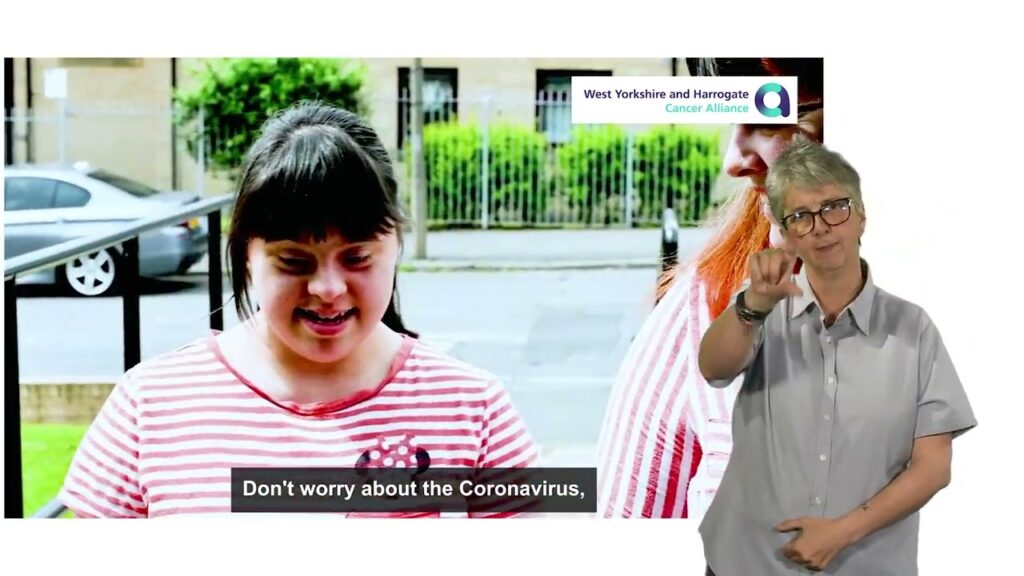
The sign for “neck” in BSL refers to the part of the body that connects the head to the torso. It’s commonly used in everyday conversations, especially when discussing health, anatomy, or expressing feelings related to neck pain or tension. Understanding this sign helps in communicating effectively within the UK Deaf community.
How to Sign “Neck” in BSL

- Start with your dominant hand in a flat ‘B’ shape (with fingers extended and together).
- Position your hand near your throat or where your neck is located.
- Gently move your hand downwards along the front of your neck to your collarbone.
- Maintain a neutral facial expression while signing, or you can use a slight frown if discussing discomfort.
- Keep your non-dominant hand relaxed by your side or in a neutral position.
Common Mistakes
- Forgetting to use the correct hand shape; some learners may use a fist instead of a flat hand.
- Not maintaining appropriate facial expressions, which can change the meaning or tone of the sign.
- Incorrectly placing the hand too low or too high, which may confuse the meaning of the sign.
BSL vs ASL
In BSL, the sign for “neck” focuses on the specific area of the body and involves a downward movement, while in ASL, the sign may have a different handshape and motion, often involving a more distinct gesture away from the body. These differences illustrate the unique characteristics of each sign language and their cultural contexts.
Related Signs
- Head – The sign for the top part of the body.
- Shoulder – Refers to the joint connecting the arm to the body.
- Chest – Indicates the front part of the body between the neck and abdomen.
- Body – A general sign referring to the whole physical form.
- Pain – Used to describe discomfort, which can relate to the neck.
Frequently Asked Questions
How can I use “neck” in a BSL sentence?
You can sign “my neck hurts” by combining the sign for “neck” with the sign for “hurt” to convey your message effectively.
Are there regional variations for the sign “neck” in BSL?
While the sign remains largely consistent across the UK, some regional variations may exist in hand movements or facial expressions.
Is “neck” similar to any other signs?
Yes, “neck” is related to signs like “shoulder” and “head,” which all refer to parts of the body.
What tips can help me learn this sign?
Practice in front of a mirror and pay attention to facial expressions. Watching native signers can also help solidify your understanding.
Can I use “neck” to describe other conditions?
Absolutely! You can use the sign in various contexts, such as discussing neck injuries or tension.
How do I incorporate facial expressions when signing “neck”?
Use expressions that match the context; for example, a serious look when discussing pain or a relaxed face when simply naming the body part.
Practice This Sign
Try signing Neck In Bsl with your camera and get AI coaching on your handshape, movement, and location.
Free · No signup required