
Navigation in British Sign Language (BSL)
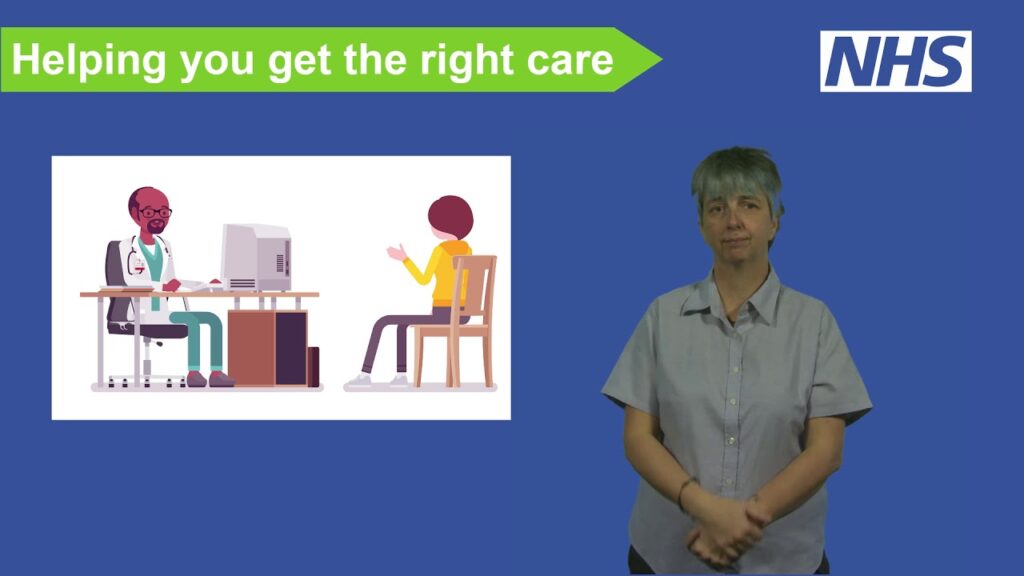
The sign for “navigation” in British Sign Language (BSL) is used to describe the act of finding one’s way, often in relation to maps, directions, or travel. This sign is commonly used in the UK Deaf community when discussing travel plans, exploring new areas, or giving directions. It conveys the essential concept of moving from one place to another effectively.
How to Sign “Navigation” in BSL
- Start with your dominant hand in a flat ‘B’ handshape, palm facing down.
- Position your hand in front of your body, ideally around waist height.
- Move your hand in a circular motion, as if tracing a path on a map, while keeping your arm relaxed.
- Incorporate non-manual features by raising your eyebrows slightly to indicate focus or emphasis on the action.
- Finish the movement by bringing your hand back to the starting position to signify completion.
Common Mistakes
- Not using the appropriate handshape; some learners may use a fist instead of a flat hand.
- Failing to incorporate non-manual features, which can make the sign less expressive.
- Moving the hand too quickly, which can make it difficult for others to understand the action being conveyed.
BSL vs ASL
In American Sign Language (ASL), the sign for “navigation” differs significantly. While ASL also uses a handshape to convey the concept of movement, the specific movements and hand configurations vary from BSL. This highlights the unique grammatical structures and cultural contexts of each sign language.
Related Signs
- Direction – Used to indicate a specific way or path.
- Travel – Refers to the act of going from one place to another.
- Map – Represents the concept of a geographical representation.
- Place – Indicates a specific location.
- Route – Refers to a course taken in getting from a starting point to a destination.
Frequently Asked Questions
Can you use “navigation” in a sentence?
Yes! For example: “I need navigation to find my way to the meeting.”
Are there regional variations for this sign?
While “navigation” is generally consistent across the UK, some regional dialects may have slight variations in movement or emphasis.
What are some similar signs to “navigation”?
Related signs include Direction and Travel, which also relate to movement and pathways.
Do I need to use facial expressions?
Yes, non-manual features like facial expressions help convey the meaning and intent behind the sign.
How can I improve my signing skills?
Practice regularly with Deaf friends or in community groups, and consider attending BSL classes for structured learning.
Is “navigation” used in everyday conversations?
Absolutely! It’s commonly used when discussing travel plans, maps, or directions in both casual and formal contexts.
Practice This Sign
Try signing Navigation In Bsl with your camera and get AI coaching on your handshape, movement, and location.
Free · No signup required