
Narration in British Sign Language (BSL)

The sign for “narration in BSL” refers to the act of telling a story or describing events using British Sign Language. It is commonly used in storytelling sessions, educational contexts, and when sharing personal experiences within the UK Deaf community. This sign helps convey the narrative flow effectively, engaging the audience visually and emotionally.
How to Sign “Narration” in BSL
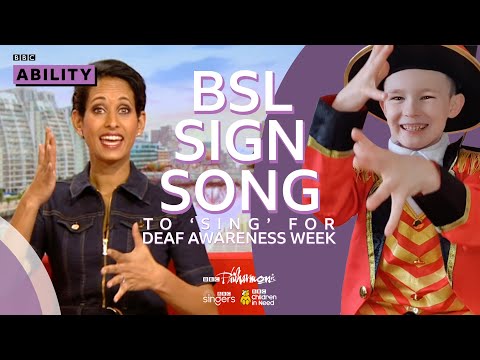
- Start with both hands in a neutral position at your sides.
- Form the dominant hand into a flat “B” shape, with fingers extended and together.
- Position the dominant hand in front of your body, slightly to the side, palm facing outward.
- Using a smooth, sweeping motion, move your hand forward and slightly upward, as if you are guiding the audience through the story.
- Incorporate facial expressions that reflect the emotions of the narrative, such as raising your eyebrows for excitement or frowning for sadness.
- Maintain eye contact with your audience to enhance engagement and connection.
Common Mistakes
- Forgetting to use appropriate facial expressions, which are crucial for conveying emotions in BSL.
- Using a static hand position instead of moving the hand to indicate the flow of the story.
- Neglecting to maintain eye contact, which can make the narration feel less engaging.
BSL vs ASL
In BSL, the sign for narration involves a more dynamic hand movement and a focus on facial expressions to convey emotions. In contrast, ASL may use different hand shapes and movements, often emphasizing the signing space differently. Understanding these distinctions can enhance the effectiveness of storytelling in each language.
Related Signs
- Storytelling – The act of communicating a story using BSL.
- Explain – Describing or clarifying information in BSL.
- Describe – Providing details about a person, place, or event.
- Communicate – Sharing information or ideas with others.
- Experience – Relaying personal experiences in BSL.
Frequently Asked Questions
How can I use “narration in BSL” in a sentence?
You can use the sign within a sentence like this: “I want to share a story, narration in BSL.” This structure helps establish the topic followed by the comment.
Are there regional variations in signing “narration in BSL”?
While the core sign remains consistent, some regional variations may exist in facial expressions or specific movements. It’s beneficial to learn from local Deaf communities.
What are some similar signs to “narration in BSL”?
Related signs include storytelling, explain, and describe. Each serves a unique function but overlaps in conveying information.
What tips can help improve my narration skills in BSL?
Practice using varied facial expressions, maintain eye contact, and engage with your audience. Watching skilled narrators can also provide valuable insights.
Can I use props while narrating in BSL?
Yes, using props can enhance the storytelling experience, making it more engaging and relatable for your audience.
How important is facial expression in BSL narration?
Facial expressions are key in BSL as they convey emotions and context, making your narration more impactful and understandable.
Practice This Sign
Try signing Narration In Bsl with your camera and get AI coaching on your handshape, movement, and location.
Free · No signup required