
Milk in British in British Sign Language (BSL)
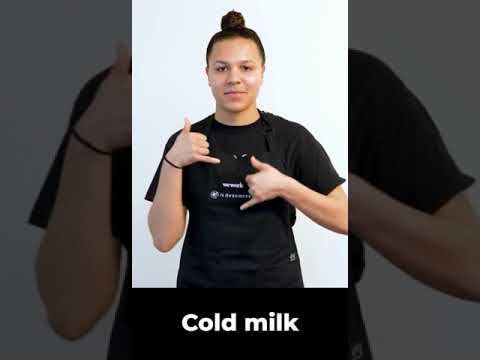
The sign for “milk” in British Sign Language (BSL) is commonly used in everyday conversations, especially when discussing drinks or food, and is particularly relevant in contexts involving children or infants. This sign is vital for parents and caregivers within the UK Deaf community to communicate about feeding and nutrition.
How to Sign “Milk In British” in BSL
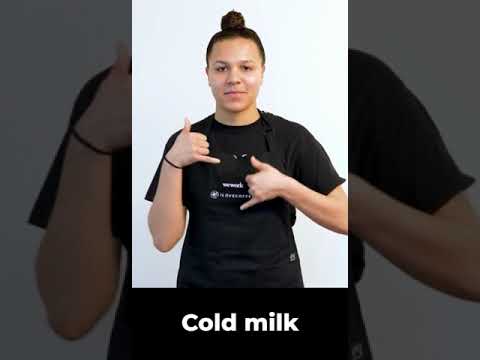
- Start with your dominant hand in a fist shape, with the thumb extended and resting against the side of your index finger.
- Position your hand near your chin, with the palm facing towards your face.
- As you make the sign, move your hand downwards while simultaneously opening your fist slightly, mimicking the action of milking.
- Facial expressions are important; maintain a neutral or pleasant expression to convey the meaning clearly.
- Make sure to use a slight downward movement to emphasize the action of pouring or giving milk.
Common Mistakes
- Some learners may forget to open their fist during the sign, which can lead to confusion with other signs.
- Using an incorrect facial expression can affect clarity; a neutral face may not convey the intended meaning effectively.
- Not using enough space can make the sign look cramped and less clear; ensure you have enough room to perform the movement smoothly.
BSL vs ASL
In American Sign Language (ASL), the sign for “milk” is quite different. ASL typically uses the same handshape but involves a different movement and placement. BSL’s sign engages more in the motion of pouring, while ASL represents the action of squeezing a cow’s udder.
Related Signs
- 1 – The sign for the number one.
- 100 – The sign representing one hundred.
- 10 – The sign for the number ten.
- 12 – The sign for the number twelve.
- 1 Dollar – The sign for one dollar.
Frequently Asked Questions
How can I use “milk” in a BSL sentence?
You can say, “I want milk,” by signing “I” (pointing to yourself), then “want” (both hands in front of you, palms up), followed by the sign for “milk.”
Are there regional variations for this sign in the UK?
The sign for “milk” is generally consistent across the UK, but slight variations may exist in movement speed or facial expressions among different regions.
Are there similar signs to “milk” in BSL?
Yes, signs like “water” or “juice” have different hand shapes and movements but may feel similar in context. It’s essential to learn each distinctly.
What are some tips for learning this sign?
Practice in front of a mirror to ensure your movements and facial expressions are accurate. Watching videos of fluent signers can also help reinforce the correct technique.
Can I use this sign in a group setting?
Absolutely! Using “milk” in group settings, such as at family gatherings or in a classroom, can help facilitate communication about shared meals or snacks.
Is “milk” used differently in BSL storytelling?
In storytelling, you might use more exaggerated movements and expressions to convey emotions or actions related to “milk,” enhancing the narrative experience.
Practice ASL Signs
Use your camera to practice signs and get real-time AI feedback on your technique.
Free · No signup required