
Familiar in British Sign Language (BSL)

The sign for “familiar” in British Sign Language (BSL) expresses the idea of knowing someone or something well. It is commonly used within the UK Deaf community when discussing acquaintances, experiences, or topics that are well-understood or known. This sign helps convey comfort and recognition in conversations.
How to Sign “Familiar” in BSL
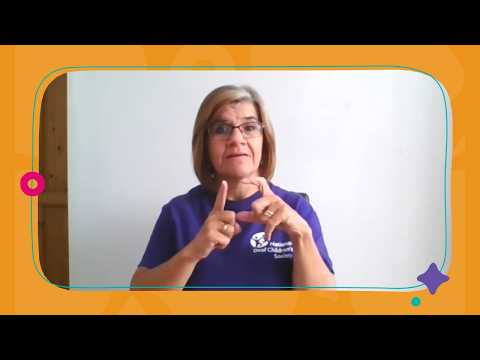
- Start with your dominant hand in a flat shape (like a “B” handshape) with your palm facing up.
- Position your hand near your chest, around the area of your heart, to signify a personal connection.
- Move your hand slightly outward and away from your body while keeping it flat. The movement should be gentle and fluid.
- Maintain eye contact and use a friendly facial expression, which is important for conveying warmth and familiarity.
Common Mistakes
- Using the wrong handshape, such as a fist instead of a flat hand.
- Moving the hand too far away from the body, which can lose the intended meaning of familiarity.
- Neglecting facial expressions, which are crucial for conveying emotions in BSL.
BSL vs ASL
In BSL, the sign for “familiar” incorporates a flat handshape and a movement away from the body, while in American Sign Language (ASL), the sign may differ significantly. ASL often uses a different handshape and does not emphasize the same movement away from the chest, highlighting the differences in grammar and cultural context between the two languages.
Related Signs
- Know – This sign indicates knowledge or awareness of something.
- Acquainted – Used to express a more formal recognition of someone.
- Friend – Represents a close relationship often associated with familiarity.
- Understand – This sign can relate to being familiar with a concept or language.
- Remember – Indicates recalling someone or something familiar.
Frequently Asked Questions
How can I use “familiar” in a BSL sentence?
You can use it to express familiarity with a person or topic. For example, “I am familiar with this subject,” would incorporate this sign to convey understanding.
Are there regional variations for this sign in the UK?
While the sign is generally the same, some regions may have slight variations in movement or facial expressions. Observing local users can help.
What are some similar signs to “familiar”?
Signs like “know” and “understand” share a similar context and can often be used interchangeably depending on the sentence.
What tips do you have for learning this sign?
Practice in front of a mirror to ensure your handshape and facial expressions are correct. Watching native signers use the sign in context can also be beneficial.
Can I use this sign in both formal and informal settings?
Yes, “familiar” is versatile and can be used in both casual conversations and more formal discussions.
Is it important to use facial expressions when signing?
Absolutely! Facial expressions add meaning and emotion, helping to clarify intent and context in your communication.
Practice ASL Signs
Use your camera to practice signs and get real-time AI feedback on your technique.
Free · No signup required