
Recognition in British Sign Language (BSL)
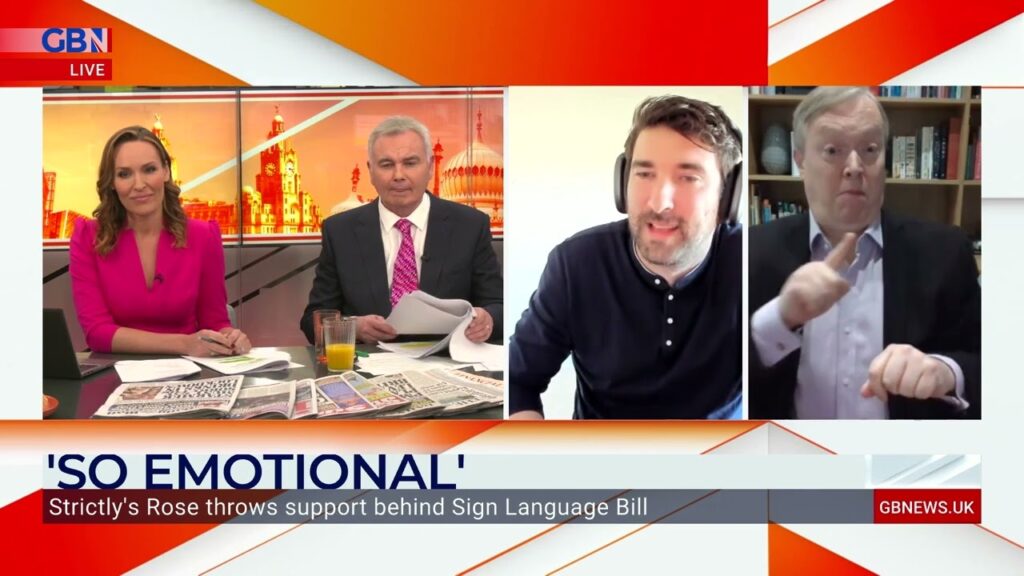
The sign for “British Sign Language recognition” is often used within the UK Deaf community to discuss the acknowledgment and validation of BSL as a legitimate language. This sign is important in conversations about rights, education, and accessibility for Deaf individuals. Recognizing BSL helps promote its use and understanding in society.
How to Sign “Recognition” in BSL

- Start with both hands in front of your chest, fingers extended and slightly apart, palms facing each other.
- Move your hands outward and slightly upwards while maintaining the hand shape. This motion should be smooth and fluid.
- As you make this movement, ensure your facial expression conveys a sense of importance or acknowledgment.
- Finish the sign with your hands returning back to the starting position, emphasizing the idea of recognition.
Common Mistakes
- Forgetting to use appropriate facial expressions, as these are key to conveying the meaning in BSL.
- Making the hand movement too abrupt; it should be smooth to reflect the continuous nature of recognition.
- Not positioning the hands correctly at the start, which can lead to confusion about the sign being used.
BSL vs ASL
In BSL, the sign for “recognition” involves a specific handshape and movement, focusing on the outward motion of acknowledgment. In contrast, ASL uses a different handshape and may incorporate varied movements, reflecting the unique grammar and structure of each language. Understanding these differences highlights the diversity within sign languages.
Related Signs
- Acknowledge – A sign used to show that someone is recognized or accepted.
- Respect – This sign expresses admiration or consideration for someone or something.
- Validate – Used to indicate approval or confirmation of something.
- Communication – Signifying the act of sharing information or ideas.
- Identity – A sign that relates to personal or cultural recognition.
Frequently Asked Questions
How can I use “recognition” in a BSL sentence?
You can say, “BSL recognition is important,” by signing “BSL” followed by “recognition” to emphasize the topic.
Are there regional variations for this sign in the UK?
Typically, the sign remains consistent across the UK, but some areas may have slight variations in movement speed or facial expressions.
What is a similar sign to “recognition”?
The sign for “acknowledge” is quite similar in meaning and can sometimes be used interchangeably depending on the context.
What tips do you have for learning this sign?
Practice in front of a mirror to see your facial expressions and hand movements, and try to incorporate it into everyday conversations.
Can this sign be used in formal settings?
Yes, it is appropriate to use this sign in formal discussions about Deaf rights and recognition of BSL in various contexts.
How does “recognition” relate to Deaf culture?
Recognition of BSL plays a crucial role in affirming Deaf identity and culture, promoting accessibility and equality.
Practice ASL Signs
Use your camera to practice signs and get real-time AI feedback on your technique.
Free · No signup required