
F You in British in British Sign Language (BSL)
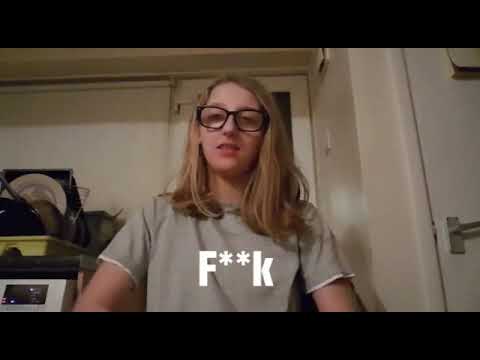
This sign expresses strong feelings of frustration or anger, often used in informal contexts among friends or peers. Keep in mind that this sign can be considered offensive, so use it with caution and awareness of your audience.
How to Sign “F You In British” in BSL
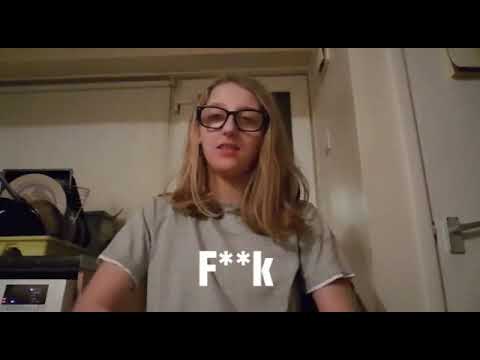
- Start with your dominant hand in a flat “B” shape.
- Position your hand at about shoulder height, palm facing away from you.
- With a quick flick of your wrist, turn your palm towards yourself, while simultaneously extending your middle finger.
- Maintain a neutral to slightly disapproving facial expression to convey the intended emotion.
- Consider your body language; lean slightly forward to emphasize the sign.
Common Mistakes
- Using the wrong handshape; make sure to form a flat “B” before flicking your middle finger.
- Not maintaining the appropriate facial expression; this sign relies heavily on non-manual features for its meaning.
- Performing the sign too slowly; the flick should be quick to convey the right emotion.
BSL vs ASL
In BSL, this sign involves a specific handshape and movement that differs from ASL. In ASL, the sign may involve a different handshape or expression, highlighting cultural nuances in how the sentiment is conveyed.
Related Signs
- 1 – The sign for the number one.
- 10 – The sign for the number ten.
- 100 – The sign for the number one hundred.
- 11 – The sign for the number eleven.
- 12 – The sign for the number twelve.
Frequently Asked Questions
Can I use this sign in formal situations?
It’s best to avoid using this sign in formal contexts or with people you don’t know well, as it can be offensive.
Are there regional variations for this sign in the UK?
While the basic sign remains the same, some regional variations may exist in the expression or intensity of the sign.
What are some similar signs to this one?
Other signs expressing frustration or anger may include signs for “angry” or “annoyed,” but they are less direct.
What are some tips for learning this sign?
Practice in front of a mirror to ensure your facial expressions match the emotion of the sign.
Can I use this sign with friends?
Yes, among friends who understand your humor or frustrations, it can be used playfully, but always read the room.
How does context affect the meaning of this sign?
The context and your relationship with the person you’re signing to will greatly affect how this sign is perceived.
Practice ASL Signs
Use your camera to practice signs and get real-time AI feedback on your technique.
Free · No signup required