
Differences Between BSL and ASL in British Sign Language (BSL)
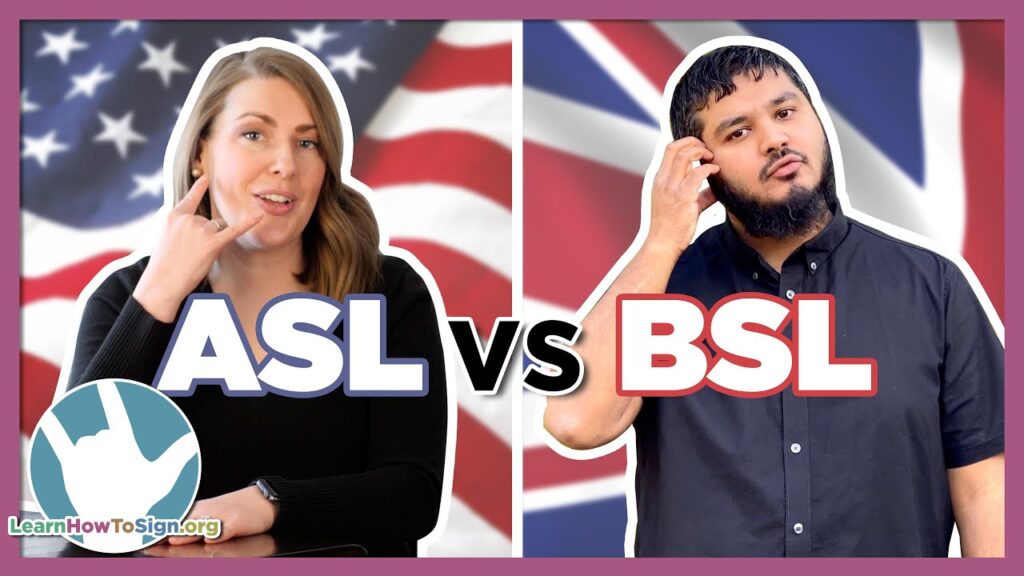
The sign for “differences between BSL and ASL” is commonly used in discussions among the Deaf community in the UK, especially when comparing the two sign languages. This sign helps clarify the distinctions in grammar, vocabulary, and cultural context between British Sign Language (BSL) and American Sign Language (ASL).
How to Sign “Differences Between Bsl And Asl” in BSL
- Start with both hands in a flat ‘B’ handshape (palms facing downward).
- Position your hands shoulder-width apart and slightly in front of you.
- Move your hands apart horizontally, while maintaining the ‘B’ shape, to indicate “differences.”
- As you move your hands, use a facial expression that suggests comparison, such as raising your eyebrows.
- Complete the sign by bringing your hands back to the starting position. You may want to emphasize the separation more to highlight the differences clearly.
Common Mistakes
- Using the wrong handshape—some learners may mistakenly use a fist instead of a flat ‘B’ handshape.
- Not using facial expressions effectively; expressions are crucial for conveying meaning in BSL.
- Failing to demonstrate the movement clearly, which can make the sign less understandable.
BSL vs ASL
In BSL, the sign for “differences” incorporates specific handshapes and movements that convey nuances in meaning. ASL may use different handshapes or movements for the same concept, reflecting the unique grammar and vocabulary of ASL. BSL relies heavily on facial expressions and space to convey context, which may differ from ASL’s approach.
Related Signs
- (Bsl) – The sign for British Sign Language.
- 1 – The sign for the number one.
- 10 – The sign for the number ten.
- 100 – The sign for the number one hundred.
- 11 – The sign for the number eleven.
Frequently Asked Questions
How can I use this sign in a BSL sentence?
You can use this sign in a sentence like, “There are differences between BSL and ASL,” by establishing the topic first and then using the sign to express the comparison.
Are there regional variations in signing this?
While the general sign remains consistent, some regions may have slight variations in movement or emphasis based on local signing habits.
What are some similar signs?
Similar signs include “compare” and “contrast,” which may use different handshapes or movements but convey similar meanings.
Any tips for learning this sign?
Practice in front of a mirror to ensure your handshape and facial expressions are correct, and consider watching native signers to see how they convey the differences.
Can I use this sign in formal presentations?
Yes, this sign is appropriate in both informal and formal contexts, especially when discussing language differences.
What is the cultural significance of comparing BSL and ASL?
Understanding the differences helps promote awareness and appreciation of both languages, fostering better communication and respect within the Deaf community.
Practice ASL Signs
Use your camera to practice signs and get real-time AI feedback on your technique.
Free · No signup required