
BSL Sign Thank You in British Sign Language (BSL)
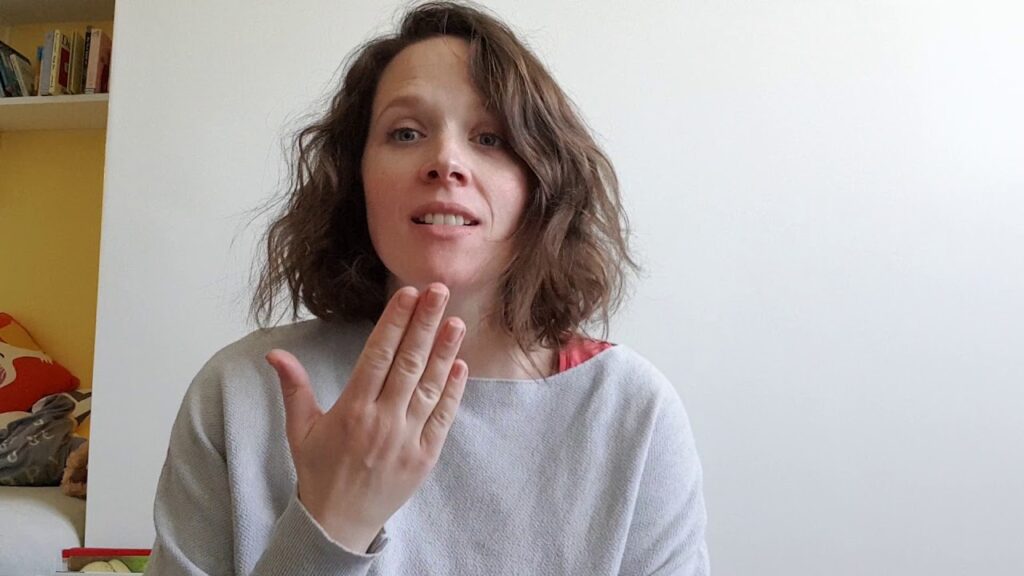
The BSL sign for “thank you” is a fundamental expression of gratitude within the UK Deaf community. It is commonly used in everyday interactions, whether you’re thanking someone for a service, a gift, or simply for their kindness. Showing appreciation is an important aspect of Deaf culture, and using this sign can help foster positive connections.
How to Sign “Bsl Sign Thank You” in BSL

- Start with your dominant hand open and palm facing upwards.
- Place the fingertips of your dominant hand near your chin or lips.
- Move your hand outward and slightly away from your face, keeping your fingers together.
- Maintain a friendly facial expression, perhaps with a slight smile, to convey warmth.
Common Mistakes
- Some learners forget to use a friendly facial expression, which is crucial for conveying sincerity.
- Others may not move their hand away from the face, making the sign less clear.
- Occasionally, learners use a flat hand instead of an open hand, which can change the meaning.
BSL vs ASL
In BSL, the sign for “thank you” involves moving your hand away from the face, while in American Sign Language (ASL), the sign is similar but may use a different hand shape and movement. BSL uses a topic-comment structure, emphasizing the act of thanking, whereas ASL may focus more on the specific context of gratitude.
Related Signs
- Please – A polite request or addition to “thank you.”
- Excuse Me – A way to get someone’s attention politely.
- Sorry – An expression of apology often used in similar contexts.
- Help – A request for assistance which can warrant thanks.
Frequently Asked Questions
How do I use “thank you” in a BSL sentence?
You can use “thank you” at the end of a sentence to express your gratitude. For example, “I enjoyed the meal, thank you.”
Are there regional variations for “thank you” in BSL?
While the sign is generally consistent across the UK, some areas may have slight variations in movement or facial expressions.
What signs are similar to “thank you”?
Signs like “please” and “sorry” are often used in similar contexts and are important for polite conversation.
What tips do you have for learning “thank you”?
Practice in front of a mirror to watch your facial expressions and movements. Consistent practice helps reinforce memory.
Can I use “thank you” in different contexts?
Absolutely! “Thank you” is versatile and can be used in formal and informal settings alike.
What is the importance of facial expressions in BSL?
Facial expressions add nuance and emotion to your signs, making communication more effective and meaningful.
Practice ASL Signs
Use your camera to practice signs and get real-time AI feedback on your technique.
Free · No signup required