
Zonation in Australian Sign Language (Auslan)
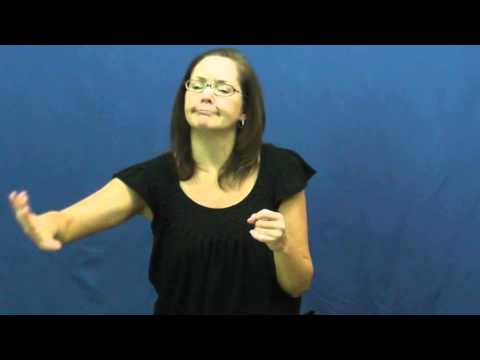
The sign for “zonation in Auslan” refers to the concept of dividing areas or regions, often used in discussions about geography, urban planning, or environmental studies. This sign can be used in educational contexts or when talking about the layout of spaces in the Deaf community. Understanding this sign helps in communicating complex ideas related to spatial organization.
Table of Contents
How to Sign “Zonation”
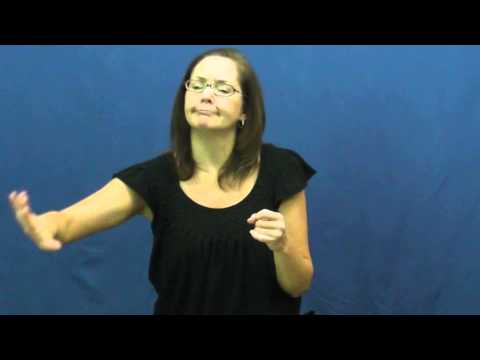
- Start with both hands in a flat “B” handshape (like a flat palm).
- Position your dominant hand slightly in front of your non-dominant hand, which remains stationary.
- Move your dominant hand in a circular motion around the non-dominant hand, as if outlining a zone or area.
- While making this motion, use facial expressions to convey meaning, such as raising your eyebrows to indicate a question or importance.
Common Mistakes
- Some learners may confuse the handshape, using a fist instead of a flat hand.
- Failing to include facial expressions can make the sign less effective, as expressions help convey the context.
- Not maintaining the correct position of the non-dominant hand, which should remain steady while the dominant hand moves.
Related Signs
- 1 – The sign for the number one.
- 10 – The sign for the number ten.
- 100 – The sign for the number one hundred.
- 12 – The sign for the number twelve.
- 16 – The sign for the number sixteen.
Using “Zonation” in Everyday Conversations
The sign “Zonation” can be integrated into various everyday conversations, particularly in discussions about geography, urban planning, or environmental science. Here are a few example sentences that illustrate how to use this sign effectively:
- “WE DISCUSS ZONATION IN OUR TOWN PLANNING MEETING.”
- “ZONATION HELPS US UNDERSTAND DIFFERENT LAND USES.”
- “IN SCHOOL, WE LEARN ABOUT ECOLOGICAL ZONATION.”
These phrases might come up naturally in settings such as community meetings, educational environments, or casual chats among friends interested in environmental issues. Understanding the context where “Zonation” is relevant will help in using it fluently.
Cultural Notes
In the Australian Deaf community, the concept of “Zonation” often relates to discussions about land use and the environment, reflecting a broader awareness of ecological issues. This sign is not just a technical term; it embodies a cultural understanding of how different areas can serve various purposes, whether residential, commercial, or recreational.
While there aren’t significant northern or southern dialect variations for this sign, it’s always a good practice to engage with local Deaf communities to learn about any regional nuances that may exist. Understanding the cultural context behind “Zonation” can deepen your connections and enrich conversations about community planning and environmental stewardship.
Tips for Learning This Sign
To effectively learn and remember the sign “Zonation,” consider these practical tips:
- Mirror Practice: Stand in front of a mirror while practicing the sign. This allows you to observe your movements and ensure you are signing correctly.
- Watch for Non-Manual Features: Pay attention to facial expressions and body language that accompany the sign. These non-manual features add meaning and clarity.
- Use in Short Signed Sentences: Incorporate “Zonation” into simple sentences during practice. This helps reinforce the sign in context and aids memory retention.
Regular practice and engagement with the Deaf community will further solidify your understanding and use of “Zonation.”
Frequently Asked Questions
How can I use “zonation in Auslan” in a sentence?
You might say, “The zonation in Auslan helps us understand community layouts.” This helps illustrate how the sign is used in context.
Are there regional variations for this sign?
Yes, some regions may have slight variations, so it’s beneficial to learn from local Deaf community members.
What are some similar signs?
Signs for “area,” “region,” or “zone” may be related and can help expand your vocabulary in context.
How does this sign compare to BSL (British Sign Language)?
The concept of zonation may exist in BSL but may use different signs. It’s helpful to learn both for better communication.
Any teaching tips for this sign?
Practice with peers in a group setting to reinforce learning and receive feedback on hand shapes and movements.
Can this sign be used in different contexts?
Absolutely! It can apply to environmental discussions, urban planning, or even when describing seating arrangements at an event.
Practice This Sign
Try signing Zonation In Auslan with your camera and get AI coaching on your handshape, movement, and location.
Free · No signup required