
Zebra in Australian Sign Language (Auslan)

The sign for “zebra” in Auslan represents the unique striped animal, often used when discussing wildlife, zoos, or animals in general. This sign can be especially popular with children or in educational settings where animals are a key topic.
Table of Contents
How to Sign “Zebra”
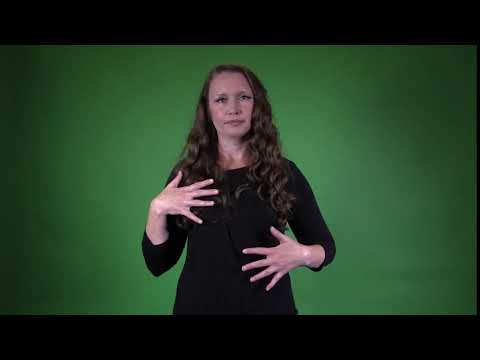
- Start with your dominant hand in a flat handshape (like a ‘B’ hand) with fingers extended together.
- Position your hand in front of your chest, palm facing down.
- Move your hand forward and slightly to the side while keeping the flat shape, mimicking the movement of a zebra walking.
- As you sign, use facial expressions that convey excitement or curiosity about the animal.
Common Mistakes
One common mistake is using a fist instead of a flat handshape, which can change the meaning of the sign. Another error is not moving the hand forward, making it less clear that you’re depicting a zebra’s movement. Additionally, some learners forget to express enthusiasm with their facial expressions, which is important in Auslan communication.
Related Signs
- 1 – The sign for the number one.
- 1 Dollar – The sign indicating one dollar.
- 10 – The sign for the number ten.
- 100 – The sign for the number one hundred.
- 11 – The sign for the number eleven.
Using “Zebra” in Everyday Conversations
The sign for “Zebra” can be seamlessly integrated into everyday conversations, especially when discussing animals, nature, or topics related to wildlife. Here are a few example sentences:
- Sentence 1: “I saw a zebra at the zoo yesterday.”
(I ZOO YESTERDAY ZEBRA SEE) - Sentence 2: “Zebras are my favourite animals.”
(MY FAVOURITE ANIMAL ZEBRA) - Sentence 3: “Do you like zebras or giraffes more?”
(YOU LIKE ZEBRA OR GIRAFFE MORE?)
These sentences can arise in conversations about trips to the zoo, discussions about favourite animals, or when comparing different species. Practicing these examples will help you feel more comfortable using the sign in various contexts.
Cultural Notes
In the Australian Deaf community, animals like zebras may hold significance beyond their biological characteristics. They often appear in stories, folklore, or even as mascots for certain events. The sign for “Zebra” is universally recognized, but some regional variations may exist due to different influences and community practices in the northern and southern parts of Australia. While the core sign remains consistent, paying attention to local dialects and community preferences can enrich your understanding and use of Auslan.
Tips for Learning This Sign
To effectively learn and remember the sign for “Zebra,” consider the following strategies:
- Mirror Practice: Use a mirror to watch your own signing. This will help you refine your movements and ensure you’re accurately replicating the sign.
- Focus on Non-Manual Features: Pay attention to facial expressions and body posture. These non-manual features enhance the meaning of your signs and convey emotions relevant to your conversation.
- Use in Short Signed Sentences: Incorporate “Zebra” in simple, everyday sentences. This contextual practice will help solidify your understanding and recall of the sign.
Consistent practice in real-life situations will not only improve your signing skills but also help you feel more confident in your communication with the Deaf community.
Frequently Asked Questions
How can I use “zebra” in a sentence?
You can say, “I saw a zebra at the zoo,” by signing “I” + “zebra” + “at” + “zoo.”
Are there regional variations for the sign?
Are there similar signs?
Yes, signs for other animals like “horse” or “donkey” may have similar handshapes, but their movements differ.
How does this sign compare to BSL?
In BSL, the sign for “zebra” is different in both handshape and movement, reflecting the unique characteristics of each sign language.
What are some tips for teaching this sign?
Encourage learners to practice in front of a mirror to ensure they’re using the correct handshape and movement. Incorporating animal stories can also make learning fun.
Practice This Sign
Try signing Zebra In Auslan with your camera and get AI coaching on your handshape, movement, and location.
Free · No signup required