
Zip Up in Australian Sign Language (Auslan)
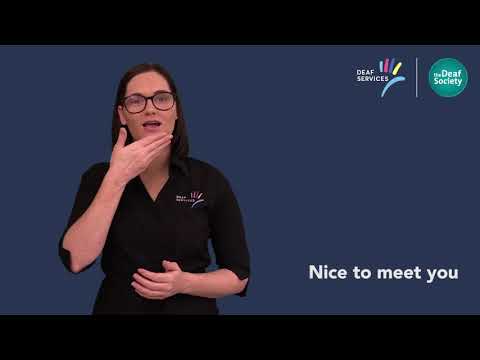
The sign for “zip up” in Auslan is used to describe the action of closing or fastening a zipper, often on clothing like jackets or bags. It’s a practical sign that comes in handy during everyday conversations, especially when talking about getting dressed or securing items.
Table of Contents
How to Sign “Zip Up”

- Start with your dominant hand in a flat handshape, fingers together (like a paddle). Position your hand near your chest.
- With your non-dominant hand, form a ‘C’ shape, mimicking the motion of holding onto the zipper pull.
- Move your dominant hand upward while simultaneously bringing your non-dominant hand up along the side, as if zipping up an item.
- Maintain a facial expression that reflects the action, perhaps with a slight smile or focus, to convey intent.
Common Mistakes
- Confusing the sign with ‘open up’ by not using the correct handshape or movement direction.
- Not incorporating facial expressions, which can make the sign less clear.
- Using a slow or hesitant motion, which may confuse the meaning of the sign.
Related Signs
- 1 – Sign for the number one.
- 1 Dollar – Sign for one dollar.
- 10 – Sign for the number ten.
- 100 – Sign for one hundred.
- 11 – Sign for the number eleven.
Using “Zip Up” in Everyday Conversations
The sign for “Zip Up” can easily fit into various conversational contexts, especially when discussing clothing, weather, or preparation for outdoor activities. Here are a few example sentences:
- “I feel cold, please zip up your jacket.” (COLD, ZIP UP, JACKET)
- “Can you zip up my dress before the party?” (PARTY, ZIP UP, DRESS)
- “Make sure to zip up your bag before we leave.” (LEAVE, ZIP UP, BAG)
These phrases can come up naturally in daily conversations, particularly during outings, events, or when discussing appropriate attire for different weather conditions.
Cultural Notes
The sign “Zip Up” holds particular significance within the Australian Deaf community, where it often reflects not just the action of zipping clothing, but also the importance of self-expression through fashion in Deaf culture. Clothing can be a form of identity and expression, and discussing it openly helps foster connection among community members.
In terms of regional variations, while “Zip Up” is widely understood across Australia, you may notice slight differences in the execution of the sign, particularly between northern and southern dialects. These variations are typically subtle and do not affect comprehension but can reflect the local signing community’s nuances.
Tips for Learning This Sign
To effectively learn and remember the sign “Zip Up,” consider the following practical tips:
- Mirror Practice: Stand in front of a mirror to practice your signing. This allows you to see your own movements and ensure they match the correct form.
- Watch for Non-Manual Features: Pay attention to facial expressions and body language while signing. These non-manual features can enhance the meaning and context of your sign.
- Use in Short Sentences: Incorporate “Zip Up” into brief, everyday sentences. This will help you remember the sign within context and improve your overall signing fluency.
By integrating these techniques into your practice, you’ll find it easier to master “Zip Up” and use it confidently in conversations.
Frequently Asked Questions
How can I use “zip up” in a sentence?
You can say, “Can you zip up your jacket?” using the sign while mimicking the action.
Are there regional variations of this sign?
Yes, some regions may have slight variations in hand shape or movement, but the general concept remains the same.
What are some similar signs?
Signs like ‘button up’ or ‘tie up’ may use similar hand movements but have different meanings.
How does this compare to BSL?
In BSL, the sign for fasten or zip may differ in handshape and movement, reflecting the unique characteristics of the language.
Any teaching tips for this sign?
Practice in front of a mirror to ensure your movements are clear, and pay attention to your facial expressions to enhance understanding.
Practice This Sign
Try signing Zip Up In Auslan with your camera and get AI coaching on your handshape, movement, and location.
Free · No signup required