
Zip Code in Australian Sign Language (Auslan)

The sign for “zip code” in Auslan refers to the numerical code used to identify specific geographic areas for mail delivery. This sign is commonly used in conversations about addresses, postal services, or when sharing personal information related to location.
Table of Contents
How to Sign “Zip Code”
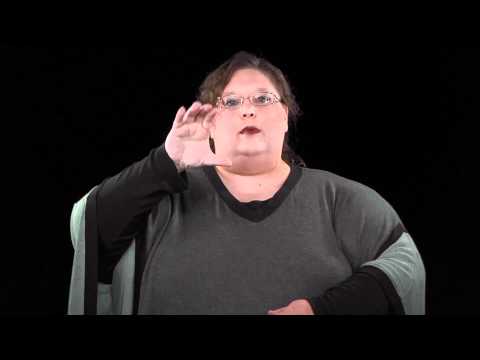
- Start with your dominant hand in a flat “B” handshape (palm facing down).
- Position your hand in front of your chest, about shoulder height.
- With your non-dominant hand, make a “C” handshape and hold it near your dominant hand.
- Move your dominant hand slightly forward while your non-dominant hand remains stationary, indicating the ‘code’ aspect.
- Maintain a neutral facial expression throughout the sign to reflect clarity and confidence.
Common Mistakes
- Some learners may confuse the handshapes, using a closed fist instead of a flat “B” handshape.
- Forgetting to keep the non-dominant hand in a “C” shape can lead to miscommunication.
- Not using facial expressions can make the sign less effective and harder to understand.
Related Signs
- 1 – The sign for the number one.
- 10 – The sign for the number ten.
- 100 – The sign for the number one hundred.
- 11 – The sign for the number eleven.
- 12 – The sign for the number twelve.
Using “Zip Code” in Everyday Conversations
In everyday conversations, the sign for “Zip Code” can come up in various contexts, especially when discussing addresses, mail, or locations. Here are some example sentences that show how to use this sign naturally:
- “What is your zip code?” — This question might arise when meeting someone new and exchanging contact information.
- “My zip code is 3000.” — This statement could be used when sharing your address with someone for an event or delivery.
- “Do you know the zip code for that area?” — This could be asked while planning a trip or discussing places in Australia.
These examples illustrate how the sign fits seamlessly into conversations about daily life, making it a useful term to know.
Cultural Notes
In the Australian Deaf community, understanding the context of “Zip Code” is essential. Zip codes are vital for communication, especially regarding mail and services. The term is often used in conjunction with discussions about accessibility, services, or community events. It’s common for Deaf individuals to share their zip codes when discussing local Deaf clubs or services available in their areas.
Regarding dialect variations, there may be minor differences in how the sign is executed between northern and southern regions of Australia. However, the core concept remains widely understood across the community. Engaging with local Deaf groups can help you become more familiar with these nuances.
Tips for Learning This Sign
To effectively learn and remember the sign for “Zip Code,” consider the following strategies:
- Mirror Practice: Use a mirror to practice the sign. This allows you to observe your handshape and movement, ensuring accuracy.
- Observe Non-Manual Features: Pay attention to facial expressions and body language while signing. These non-manual features can enhance understanding and communication.
- Use in Context: Incorporate the sign into short signed sentences regularly. The more you use it in conversation, the more comfortable you will become with it.
These tips will help reinforce your learning and increase your confidence in using the sign for “Zip Code” in various situations.
Frequently Asked Questions
How do I use “zip code” in a sentence?
You can say, “My zip code is 12345,” using the sign for zip code to indicate the term.
Are there regional variations for this sign?
While “zip code” is fairly standard, some regions may have slight variations in handshape or movement. Observing local Deaf communities can provide insight.
Is there a similar sign in BSL?
BSL has its own sign for “postcode,” which differs from Auslan, demonstrating the unique characteristics of each sign language.
What are some teaching tips for this sign?
Practice in front of a mirror to observe handshape and facial expressions. Engage with Deaf individuals to get real-time feedback.
Can I use this sign for other postal codes?
Yes, “zip code” can generally refer to any postal code, but it’s good to clarify context when speaking with others.
What if I don’t know the specific zip code?
If you don’t remember the zip code, you can sign “unknown” followed by “zip code” to clarify that you’re unsure.
Practice This Sign
Try signing Zip Code In Auslan with your camera and get AI coaching on your handshape, movement, and location.
Free · No signup required