
Wake Up in Australian Sign Language (Auslan)
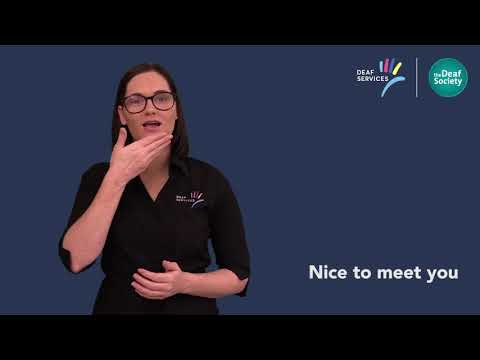
The sign for “wake up” in Auslan conveys the action of getting out of sleep. It is commonly used in daily conversations, especially when discussing morning routines or asking someone if they’re awake. This sign helps to express the transition from sleep to wakefulness.
Table of Contents
How to Sign “Wake Up”

- Start with both hands in a loose fist shape, with your thumbs extended up. Your hands should be positioned near your face.
- Bring your hands down slightly and then away from your face, as if you are lifting your head off a pillow.
- As you perform this movement, open your hands slightly and shift to a relaxed palm-up position.
- Maintain an alert expression on your face to convey the action of waking up.
Common Mistakes
- Some learners may forget to use facial expressions, which are crucial in Auslan to convey meaning and context.
- Using overly rigid hands instead of a relaxed fist can make the sign look unnatural.
- Moving hands too far away from the face can dilute the meaning of the sign.
Related Signs
- 1 – The sign for the number one.
- 1 Dollar – Sign for one dollar.
- 10 – The sign for the number ten.
- 100 – The sign for the number one hundred.
- 11 – The sign for the number eleven.
Using “Wake Up” in Everyday Conversations
The sign “Wake Up” can be integrated into various everyday conversations, making it a versatile addition to your Auslan vocabulary. Here are a few example sentences illustrating how it can be naturally used:
- Morning Routine: “I WAKE UP early every day.” (me WAKE UP early every day.)
- Making Plans: “What time do you WAKE UP tomorrow?” (what time you WAKE UP tomorrow?)
- Sharing Experiences: “I WAKE UP and see the sunrise.” (I WAKE UP see sunrise.)
These sentences often come up in discussions about daily habits, making plans with friends, or sharing experiences about mornings.
Cultural Notes
In the Australian Deaf community, the sign “Wake Up” carries more than just its literal meaning. It is often used to signify awareness and alertness, not just from sleep, but also in a broader social context. This might include discussions about staying informed or being aware of one’s surroundings. The sign can also reflect the cultural emphasis on community and participation; waking up can symbolize being engaged and connected with others.
Regarding dialect variations, while Auslan is generally consistent across Australia, some minor differences may arise in the execution of signs between northern and southern regions. These differences are typically subtle and may not significantly alter the meaning of “Wake Up,” but it’s always beneficial to observe and adapt to local signing styles.
Tips for Learning This Sign
Practising the sign “Wake Up” can be both fun and effective with a few strategies:
- Mirror Practice: Stand in front of a mirror and practice signing “Wake Up.” This helps you see your hand movements and facial expressions, ensuring they match Auslan norms.
- Watch for Non-Manual Features: Pay attention to the facial expressions and body language that accompany the sign. These non-manual features provide important context and emotion.
- Use in Short Sentences: Incorporate “Wake Up” into your daily conversations. Try to use it in simple phrases or sentences to reinforce your memory and improve fluency.
By employing these techniques, you’ll not only remember the sign but also enhance your overall Auslan communication skills.
Frequently Asked Questions
How can I use “wake up” in a sentence?
You can say, “I wake up at 7 AM” by signing “I” + “wake up” + “7 AM.”
Are there regional variations for this sign?
Are there similar signs to “wake up”?
Yes, signs like “sleep” and “tired” share some movement similarities but convey different meanings.
How does this compare to BSL?
In BSL, the sign for “wake up” is different, emphasizing the need to learn each language‘s unique signs.
What teaching tips can help with this sign?
Practicing in front of a mirror can help with hand positioning and facial expressions.
Practice This Sign
Try signing Wake Up In Auslan with your camera and get AI coaching on your handshape, movement, and location.
Free · No signup required