
Wakefield in Australian Sign Language (Auslan)
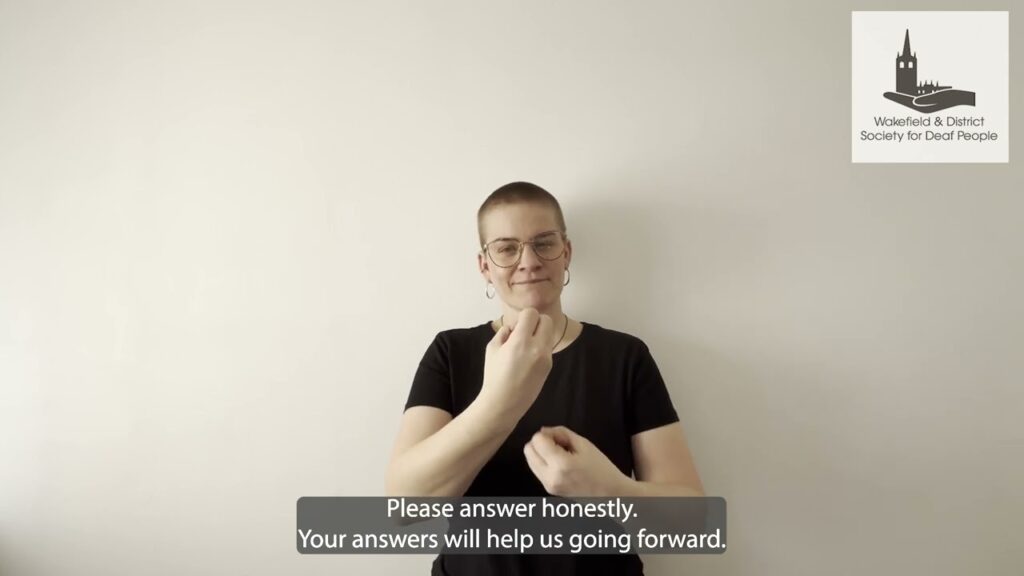
The sign for “Wakefield” in Auslan refers to a specific location or concept associated with Wakefield. This sign is useful in conversations about geography, travel, or discussing places of interest. It helps connect conversations about personal experiences or shared knowledge about the area.
Table of Contents
How to Sign “Wakefield”
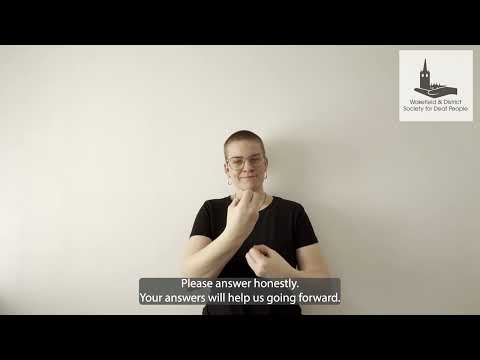
- Start with your dominant hand in a flat ‘B’ shape, palm facing down.
- Position your hand near your forehead, with your fingers extended and thumb pointing outwards.
- Move your hand slightly forward while maintaining the ‘B’ shape, as if you’re gently pushing away from your forehead.
- As you perform this movement, keep a neutral facial expression to indicate that you are just stating a fact.
Common Mistakes
- Some learners forget to keep the correct hand shape, leading to confusion with other signs.
- Not maintaining a clear movement can make the sign appear unclear or indistinct.
- Facial expressions may be overlooked, which are essential for conveying the right context and meaning in Auslan.
Related Signs
- 1 – The sign for the number one.
- 10 – The sign for the number ten.
- 100 – The sign for the number one hundred.
- 11 – The sign for the number eleven.
- 12 – The sign for the number twelve.
Using “Wakefield” in Everyday Conversations
The sign “Wakefield” can be seamlessly integrated into everyday conversations, particularly when discussing locations, events, or people associated with the Wakefield area. Here are a few example sentences to illustrate its use:
- “WAKEFIELD is my hometown.” – This sentence can come up when sharing personal stories or experiences.
- “I visited WAKEFIELD last summer.” – A natural way to refer to a past trip, often during casual chats about travel.
- “My friend lives in WAKEFIELD.” – This can occur in conversations about friends and their locations, helping to establish connections.
Using the sign in these contexts not only enhances communication but also fosters connections within the Deaf community.
Cultural Notes
The sign “Wakefield” carries significance within the Australian Deaf community as it not only represents a geographical location but also embodies shared experiences and cultural ties among those who have lived in or visited the area. In Auslan, there may be slight variations in signing based on regional dialects; for example, signers from northern parts of Australia might employ a more fluid motion compared to those in the southern regions, who might use a more defined gesture. Understanding these nuances can enrich conversations, showing respect for regional differences and fostering a deeper connection with fellow signers.
Tips for Learning This Sign
Practicing the sign “Wakefield” can be both fun and effective with these concrete strategies:
- Mirror Practice: Use a mirror to observe your handshape and movement. This helps you refine your technique and ensures you’re making the sign accurately.
- Watch for Non-Manual Features: Pay attention to facial expressions and body language while signing. These non-manual features can convey additional meaning and context.
- Incorporate into Short Signed Sentences: Create simple sentences that include “Wakefield.” Regularly using it in context helps reinforce your memory and increases your confidence.
By engaging with the sign in these practical ways, you’ll not only remember it better but also enhance your overall Auslan skills.
Frequently Asked Questions
Can I use “Wakefield” in a sentence?
Yes! For example, “I visited Wakefield last summer” can be signed by combining the sign for “Wakefield” with signs for “I,” “visited,” and “last summer.”
Are there regional variations of this sign?
There may be slight variations depending on the region, but the handshape and movement generally remain the same across Auslan.
Does this sign look similar to any other signs?
Yes, it can be confused with some location signs. Ensure you keep the correct context and facial expression to avoid mix-ups.
How does this sign compare to British Sign Language (BSL)?
While there may be similarities, the sign for “Wakefield” in BSL could differ significantly, reflecting the differences between Auslan and BSL.
What tips do you have for teaching this sign?
Encourage learners to practice in pairs and emphasize the importance of facial expressions and hand shapes. Watching videos can be beneficial for visual learners.
Practice This Sign
Try signing Wakefield In Auslan with your camera and get AI coaching on your handshape, movement, and location.
Free · No signup required