
Waiting Room in Australian Sign Language (Auslan)
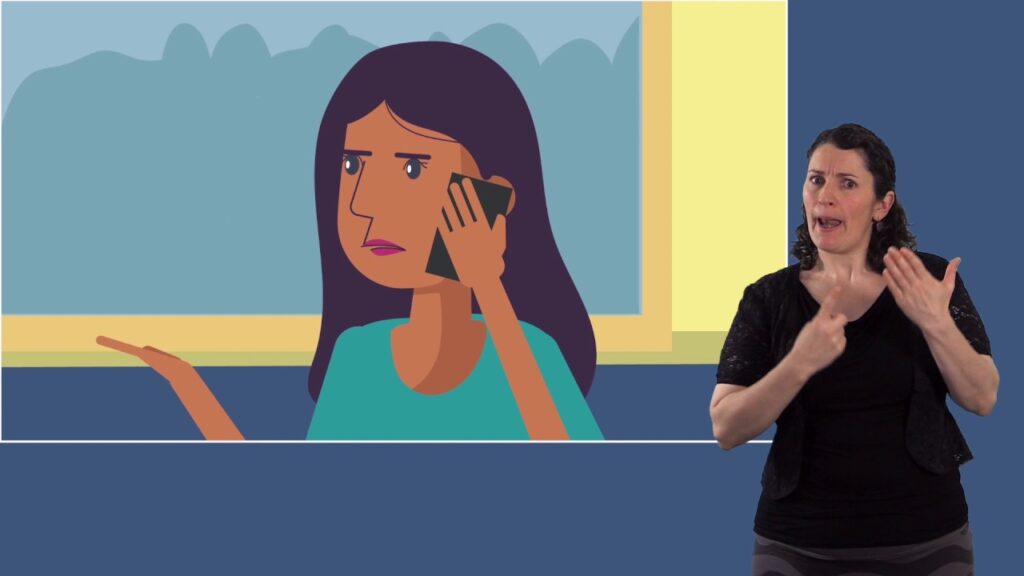
The sign for “waiting room” in Auslan represents a space where individuals wait, typically in settings like hospitals or offices. This sign is useful in conversations about appointments, medical visits, or any situation where waiting is involved.
Table of Contents
How to Sign “Waiting Room”
- Start with both hands open, fingers spread apart.
- Position your hands in front of your body, palms facing each other, around chest height.
- Move your hands slightly apart and then back together, mimicking the concept of a room.
- Maintain a neutral facial expression or add a slight nod to indicate you’re referring to a waiting space.
Common Mistakes
- Forgetting to use both hands; using one hand can make the sign unclear.
- Not maintaining the correct hand shape, which may lead to confusion with other signs.
- Failing to incorporate facial expressions, which are important in Auslan for conveying context.
Related Signs
- 1 – The sign for the number one.
- 10 – The sign for the number ten.
- 100 – The sign for the number one hundred.
- 11 – The sign for the number eleven.
- 12 – The sign for the number twelve.
Using “Waiting Room” in Everyday Conversations
The sign for “Waiting Room” can be easily integrated into everyday conversations, especially in contexts related to healthcare or appointments. Here are a few example sentences that illustrate this:
- Example 1: “I am going to the doctor, wait in waiting room.” (sign order: “I GO DOCTOR, WAIT WAITING ROOM”)
- Example 2: “My friend is in the waiting room for her appointment.” (sign order: “MY FRIEND IN WAITING ROOM APPOINTMENT”)
- Example 3: “Let’s meet in the waiting room before we see the dentist.” (sign order: “MEET WAITING ROOM BEFORE WE SEE DENTIST”)
These sentences are commonly used when discussing visits to medical facilities, and they reflect everyday situations where the sign can be applied effectively.
Cultural Notes
In the Australian Deaf community, the concept of a “waiting room” goes beyond just a physical space; it often serves as a social hub where Deaf individuals gather, share stories, and connect while waiting for appointments. This social aspect fosters a sense of community and belonging. Additionally, it’s common for people to use this sign in various contexts, such as waiting areas in hospitals, clinics, or even during social events.
While Auslan is generally consistent across Australia, there can be some regional variations in how the sign for “waiting room” is expressed. For instance, some northern regions might emphasize a slightly different movement or facial expression compared to southern areas. Being aware of these dialectal differences can enrich your understanding and fluency in Auslan.
Tips for Learning This Sign
Practicing the sign for “waiting room” can be fun and engaging. Here are some concrete ways to help you remember and improve your skills:
- Mirror Practice: Use a mirror to practice the sign. This will help you ensure that your hand shapes and movements are accurate.
- Watch for Non-Manual Features: Pay attention to the facial expressions and body language that accompany the sign. These non-manual features are important for conveying meaning and emotion in Auslan.
- Use in Short Signed Sentences: Create short sentences that include “waiting room.” Regularly using the sign in context will reinforce your memory and help you feel more comfortable with it.
By incorporating these tips into your practice, you’ll find it easier to remember the sign and use it fluently in conversations.
Frequently Asked Questions
How can I use “waiting room” in a sentence?
You can say, “I will meet you at the waiting room,” by signing the phrase in context.
Are there regional variations for this sign?
Yes, some regions may have slight differences in the sign’s execution, but the overall concept remains the same.
What are some similar signs?
Similar signs include “waiting” and “room,” which have individual meanings but can relate to the concept of a waiting room.
How does this sign compare to BSL?
The BSL sign for “waiting room” is different in hand shape and movement, reflecting the unique aspects of each sign language.
What tips do you have for teaching this sign?
Encourage practice in context and use visual aids to help learners associate the sign with the concept of waiting.
Practice This Sign
Try signing Waiting Room In Auslan with your camera and get AI coaching on your handshape, movement, and location.
Free · No signup required