
Wage in Australian Sign Language (Auslan)
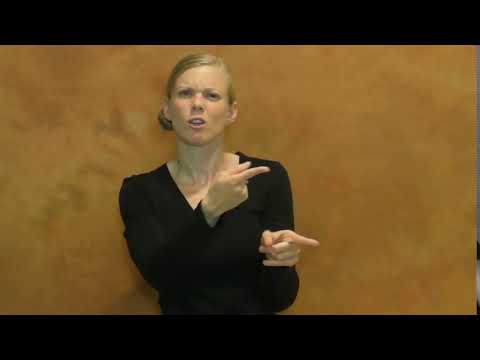
The sign for “wage” in Auslan refers to the compensation or payment someone receives for their work. This sign is commonly used in conversations about employment, income, and financial discussions. Understanding this sign can help in various contexts, such as job interviews or discussions about salary.
Table of Contents
How to Sign “Wage”
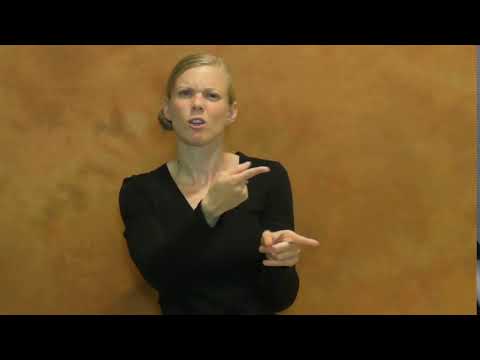
- Start with your dominant hand in a flat “B” handshape (palm facing down).
- Position your hand in front of your body, approximately at chest height.
- With a smooth, downward motion, move your hand slightly downwards while keeping the palm facing down.
- As you perform the movement, maintain a neutral facial expression, but feel free to emphasize the action with a subtle nod to indicate importance.
Common Mistakes
- Some learners may forget to keep the palm facing down, which can lead to misunderstanding the sign.
- Not using enough motion can make the sign unclear; ensure the downward movement is distinct.
- Failing to express the importance of the sign through facial expression can make it less impactful in conversation.
Related Signs
- 1 – The sign for the number one.
- 1 Dollar – This sign represents the currency of one dollar.
- 10 – The sign for the number ten.
- 100 – This sign indicates one hundred.
- 11 – The sign for the number eleven.
Using “Wage” in Everyday Conversations
The sign for “Wage” can be naturally incorporated into various everyday conversations, particularly when discussing employment, salaries, or financial matters. Here are a few example sentences to illustrate how it might be used:
- “MY WAGE HIGH.” (My wage is high.) — This might come up in a conversation about a recent job promotion or a new job offer.
- “HIS WAGE LOW, STRUGGLE.” (His wage is low, he struggles.) — This could be used when discussing the financial difficulties of a friend or family member.
- “I WAGE $25 PER HOUR.” (I earn $25 per hour.) — This is a common way to share your pay rate with others, perhaps during a casual chat about jobs.
Using “Wage” in these contexts helps to keep conversations relevant and engaging, especially when discussing work-related topics.
Cultural Notes
In the Australian Deaf community, discussions about wages often connect with broader conversations about workers’ rights and equality. The concept of fair wages is significant, especially given the historical context of Deaf employment and advocacy for equitable treatment in the workplace. Awareness of issues such as wage disparity can bring depth to conversations around this sign.
While Auslan is generally consistent across the country, there can be subtle variations in how signs are articulated in different regions, particularly between northern and southern Australia. However, the sign for “Wage” remains widely understood across these dialects, making it accessible for Deaf individuals from various backgrounds.
Tips for Learning This Sign
Practicing the sign for “Wage” effectively can enhance your signing skills and help solidify your memory of it. Here are some concrete ways to practice:
- Mirror Practice: Use a mirror to watch your handshape and movement as you sign “Wage.” This helps you refine your technique and ensures you are forming the sign correctly.
- Non-manual Features: Pay attention to facial expressions and body language when signing. For example, raising your eyebrows can indicate a question or surprise when discussing wages, adding emotional context to your signing.
- Short Signed Sentences: Incorporate “Wage” into short sentences during your practice sessions. This will help you become more comfortable using the sign in context and improve your overall fluency.
By integrating these tips into your learning routine, you can enhance your Auslan skills and feel more confident using the sign “Wage” in conversations.
Frequently Asked Questions
How can I use “wage” in a sentence?
You can say, “My wage is fair,” which in sign would involve using the sign for “wage” along with “my” and “fair.”
Are there regional variations for this sign?
Yes, some regions may have slight variations in how the sign is performed, but the basic concept remains the same.
What are similar signs to “wage”?
Related signs include “salary” and “payment,” each with its own unique handshape and movement.
How does this compare to BSL?
While BSL has its own signs, the concept of “wage” is similarly expressed, but the handshapes and movements may differ.
What are some teaching tips for this sign?
Focus on demonstrating the movement clearly and encourage learners to practice with various facial expressions to convey meaning.
Practice This Sign
Try signing Wage In Auslan with your camera and get AI coaching on your handshape, movement, and location.
Free · No signup required